In the rapidly evolving world of the Internet of Things (IoT), the integration of smart devices with cloud-based services has opened up a new era of automation and remote control. One of the most exciting innovations in this space is the Webhook Enabled IoT Relay, a device that allows for remote control and automation of various electrical appliances and systems via webhooks. This article explores the concept, working mechanism, advantages, and real-world applications of Webhook Enabled IoT Relays, and highlights how they are transforming automation systems across industries.
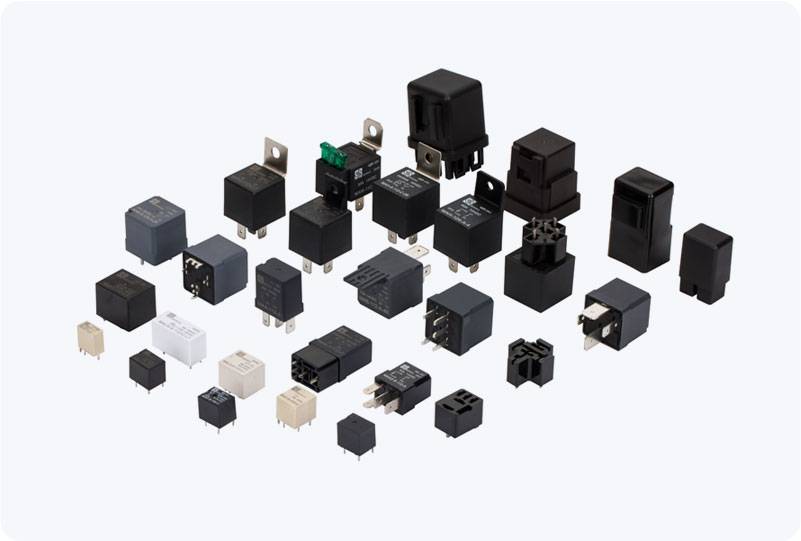
What is a Webhook Enabled IoT Relay? An IoT relay is a network-enabled device designed to control the power supply to electrical appliances. This could include switching on or off a light, fan, or even an entire system. Traditionally, IoT relays have relied on direct commands through mobile applications or physical interfaces. However, with the advent of webhooks, these relays can now communicate with online services via HTTP requests, which significantly expands their capabilities. A Webhook is essentially a mechanism for one system to send real-time data to another. In the context of IoT, a webhook-enabled relay device listens for HTTP requests from external systems or applications, which then trigger specific actions such as turning on a light or opening a door. This real-time, event-driven architecture offers a high level of flexibility and control.
Leave a Reply