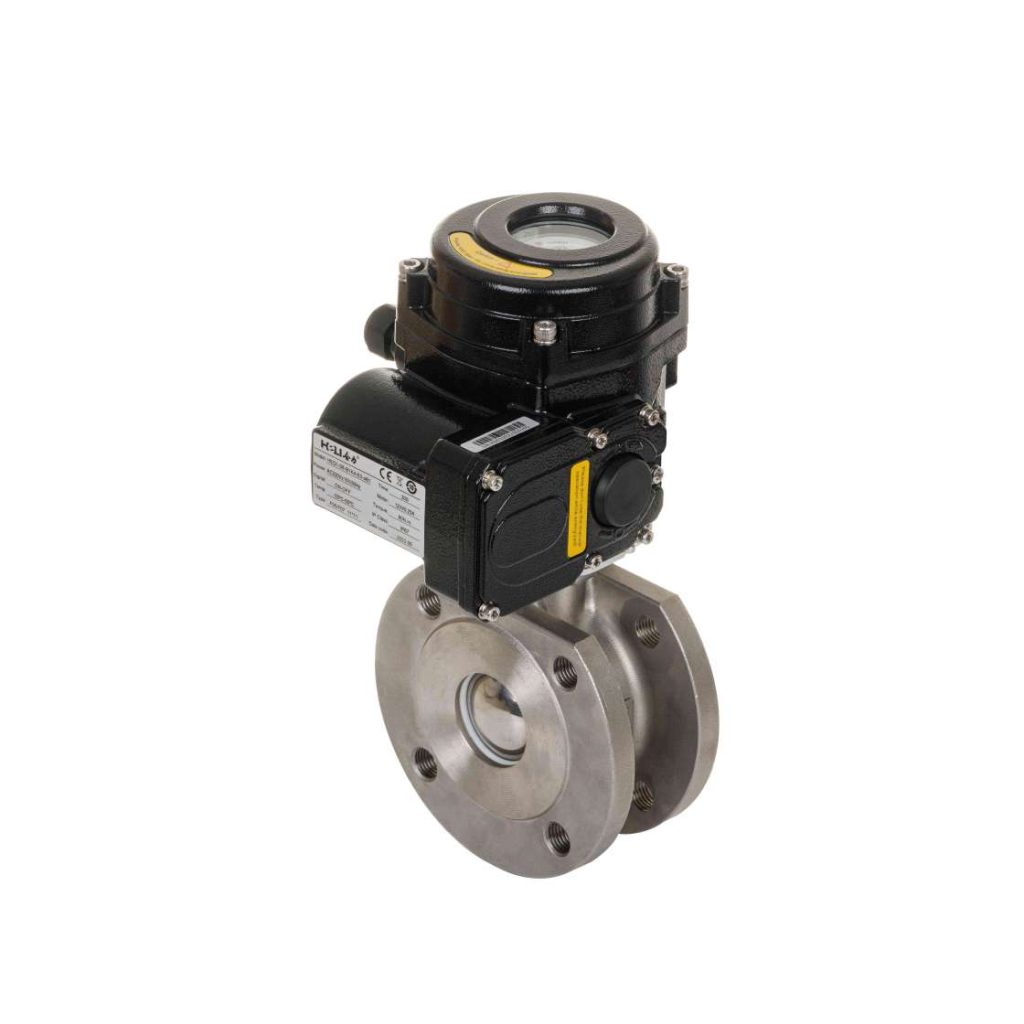
The WCB Electric Flanged Hard Seal Butterfly Valve is an essential component used in various industrial applications, offering reliable performance for fluid control in high-pressure and high-temperature environments. With its robust construction and advanced sealing mechanism, it is widely employed in industries such as power generation, chemical processing, and water treatment. This article delves into the features, structure, working principle, and key applications of the WCB Electric Flanged Hard Seal Butterfly Valve, highlighting its advantages and considerations for use in demanding conditions.
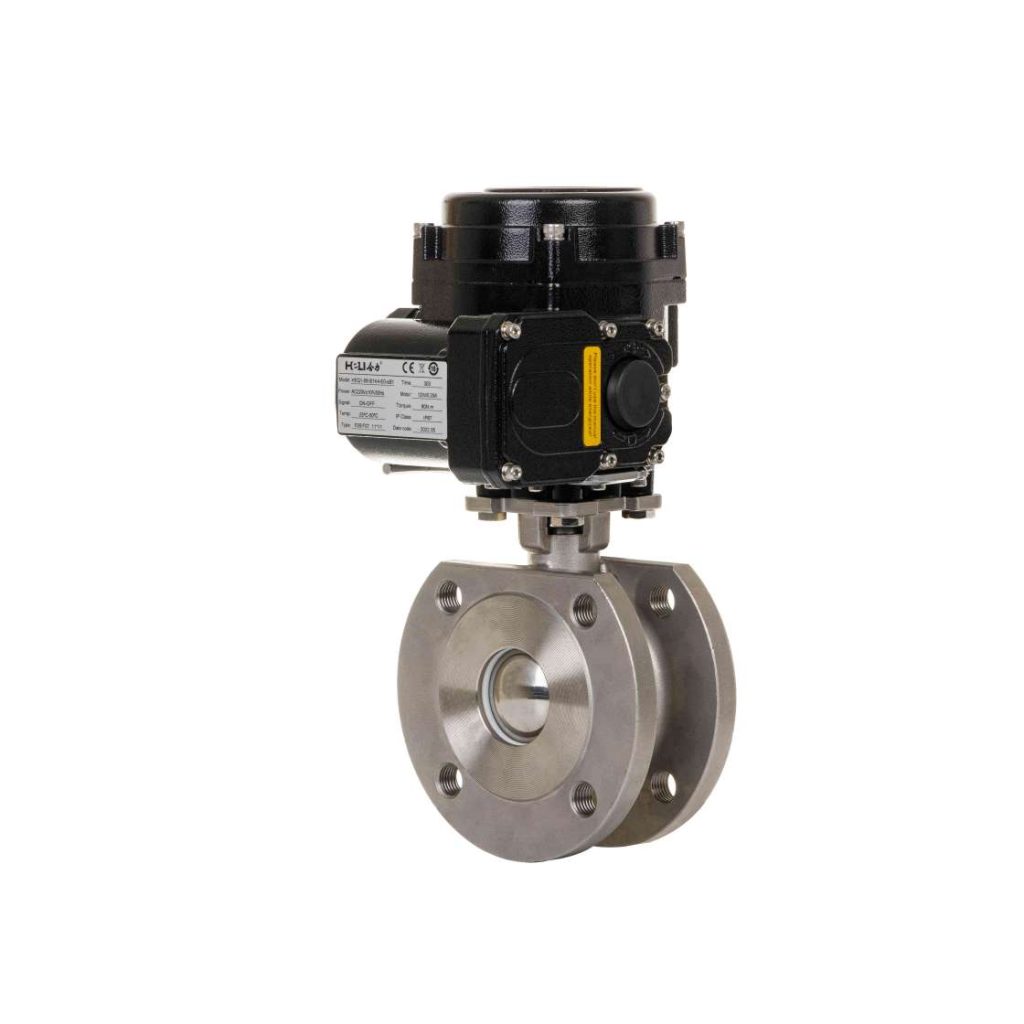
1. Material: WCB Carbon Steel
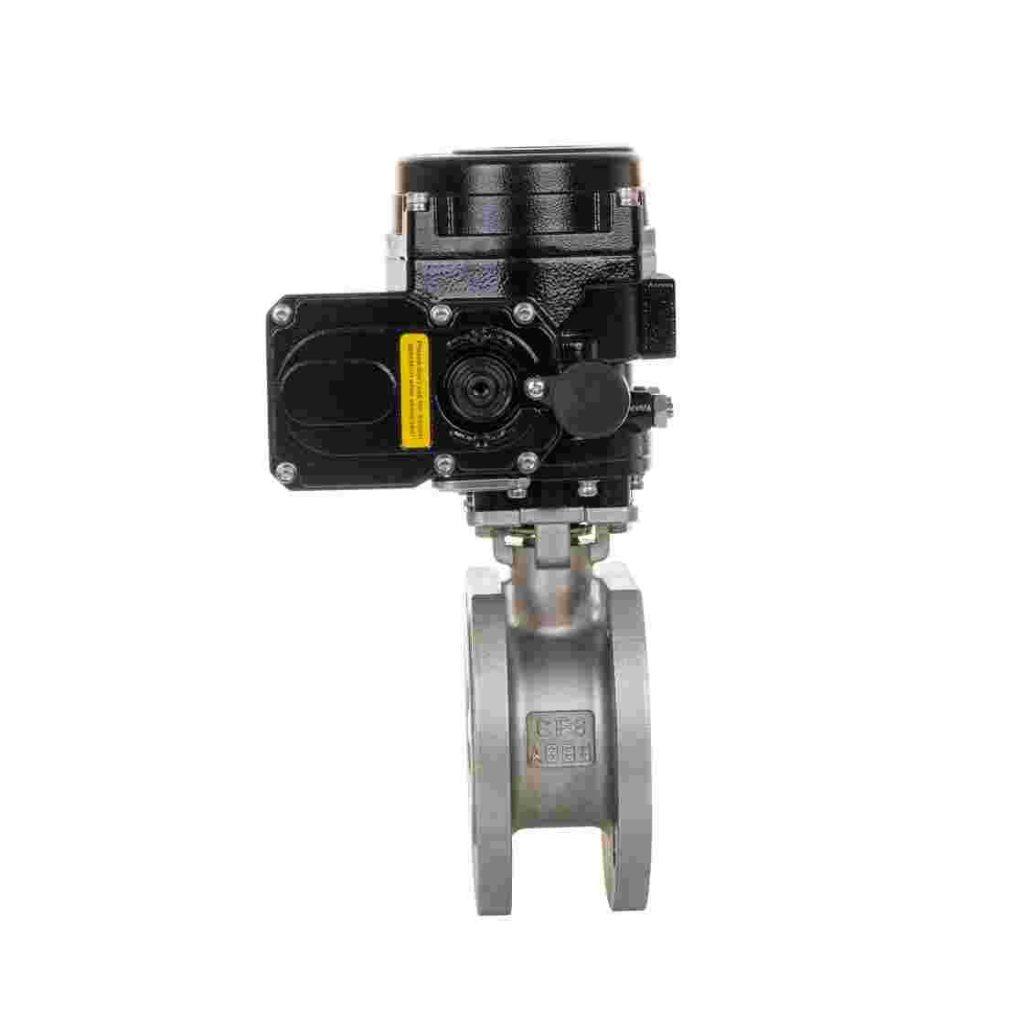
The WCB designation refers to a specific type of carbon steel used in the construction of these valves. WCB stands for Wrought Carbon Steel, Grade B—a commonly used material that offers excellent strength, toughness, and thermal stability. This carbon steel alloy is particularly advantageous in applications where the valve must withstand high temperatures (up to 425°C) and moderate pressure environments. WCB is typically used in environments such as steam, water, and oil systems, where resistance to corrosion is necessary, but the valve is not exposed to extremely aggressive chemical substances. However, it’s worth noting that WCB is less resistant to corrosion compared to stainless steel, so additional coatings or linings may be required in some applications.
Leave a Reply