The WCB Electric Butterfly Valve is a pivotal component in modern fluid control systems, combining efficiency, precision, and ease of operation. This valve type is designed to regulate and manage the flow of various fluids, including water, oil, and gases, making it essential across multiple industries. This article delves into the features, applications, and benefits of the WCB Electric Butterfly Valve, highlighting its significance in contemporary engineering.
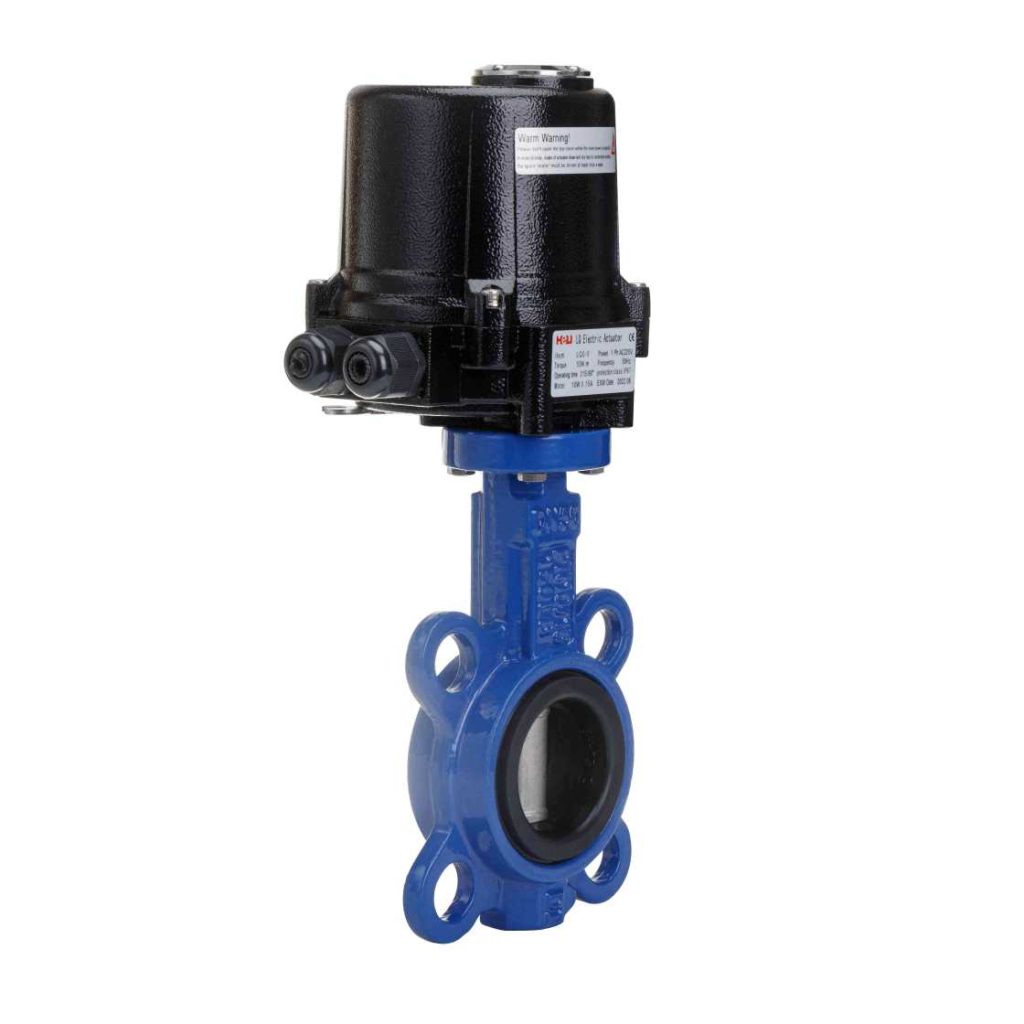
Features of the WCB Electric Butterfly Valve
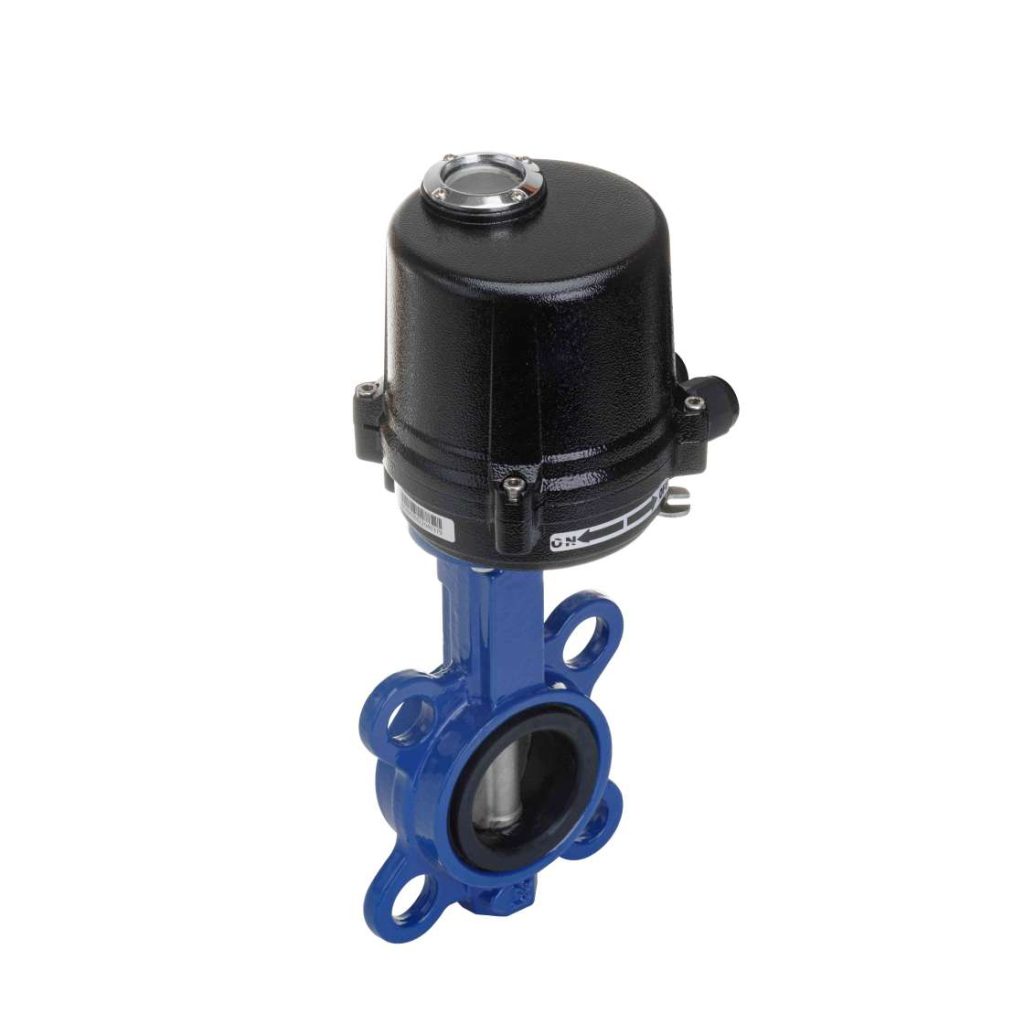
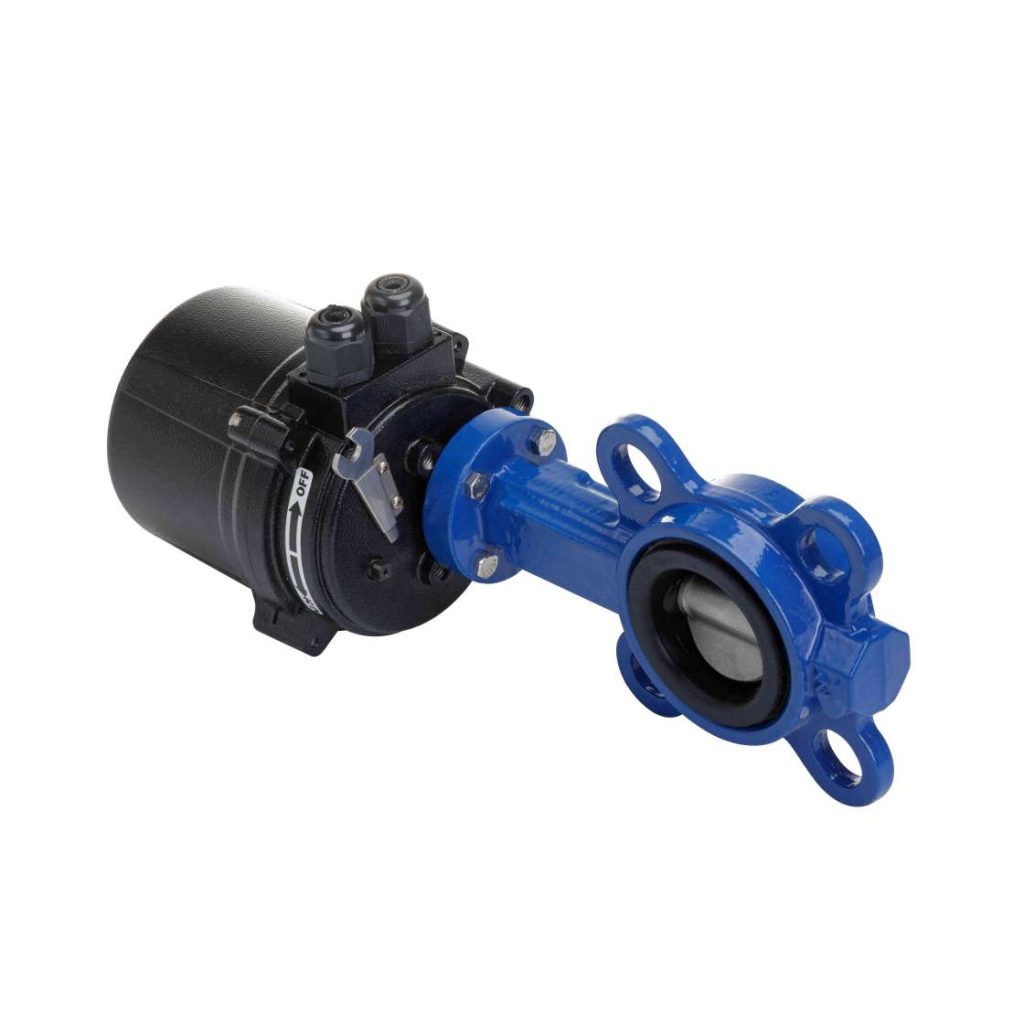
At its core, the WCB Electric Butterfly Valve is characterized by its simple yet effective design. The valve’s body is constructed from wrought carbon steel (WCB), a material known for its robustness and resistance to various environmental factors. The primary components of this valve include: Disc and Shaft: The disc, or butterfly, is the critical component that regulates flow. It is mounted on a rotating shaft, which allows the disc to open or close the flow path when the valve is actuated. This design enables rapid response times, making it an effective choice for dynamic processes. Electric Actuator: The electric actuator is a key feature that distinguishes the electric butterfly valve from its manual counterparts. It is responsible for controlling the valve’s position by receiving signals from a control system (like a PLC). Depending on the application, the actuator can be configured to provide precise control over the flow rates.
Leave a Reply