In the rapidly evolving world of electric mobility, the New Energy Vehicle (NEV) Relay has emerged as a crucial component ensuring both safety and efficiency in electric vehicles. Unlike traditional vehicles, NEVs rely heavily on high-voltage systems to power electric motors and onboard electronics. This dependence makes the proper functioning of relays a matter of paramount importance.
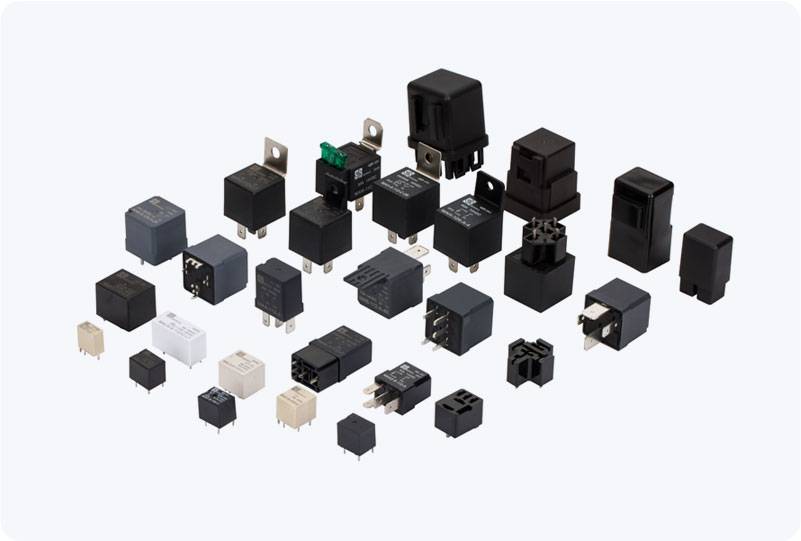
At its core, a relay is an electromechanical switch that allows a low-current circuit to control a high-current circuit. In NEVs, relays serve multiple critical roles. The most prominent among them is the main relay, which connects and disconnects the high-voltage battery from the vehicle’s powertrain system. This relay ensures that the vehicle can safely power up and shut down while protecting sensitive electronics from sudden surges. Without a properly functioning main relay, the entire high-voltage system could be at risk, leading to potential safety hazards or system malfunctions. Another essential relay type is the pre-charge relay. NEVs often feature large-capacity capacitors in their motor controllers, which can draw enormous currents if connected directly to the battery. The pre-charge relay, in conjunction with a pre-charge resistor, gradually charges these capacitors to prevent high inrush currents. This process not only protects the components from damage but also extends their operational lifespan. The pre-charge relay, though temporary in operation, plays a critical role in safeguarding the vehicle’s high-voltage system.
Leave a Reply