The PP solenoid valve, made from polypropylene (PP) material, is a crucial component in various industrial applications that require precise fluid control. Known for its excellent chemical resistance and lightweight properties, this type of solenoid valve is particularly valued in sectors such as chemical processing, wastewater treatment, food processing, and pharmaceuticals. In this article, we will explore the design features, operational principles, applications, and advantages of PP solenoid valves.
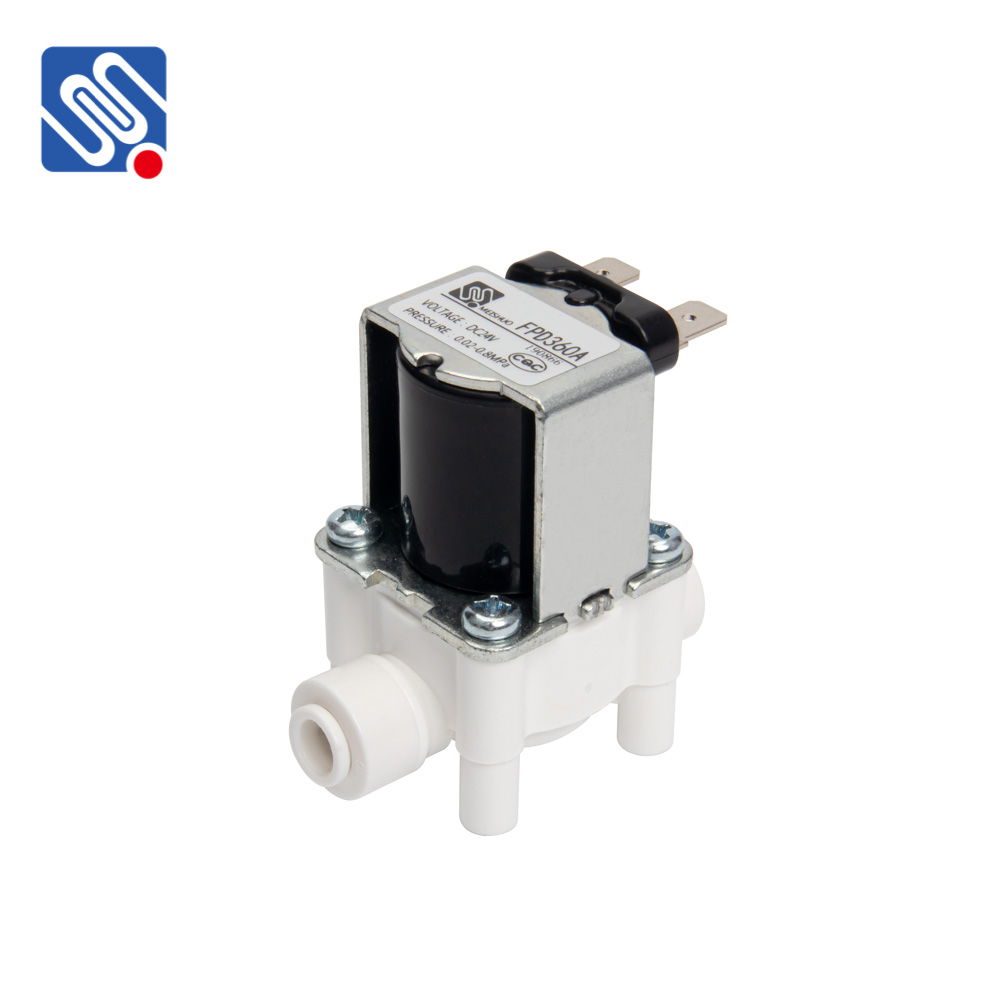
Features of PP Solenoid Valve One of the most significant advantages of PP solenoid valves is their remarkable resistance to corrosion. Polypropylene, a thermoplastic polymer, can withstand challenging chemical environments, making it ideal for handling corrosive fluids. This characteristic ensures durability and longevity, reducing the need for frequent replacements and maintenance. Another feature that makes PP solenoid valves standalone is their lightweight design. Compared to traditional metal valves, polypropylene valves are easier to handle and install. This attribute not only simplifies the installation process but also contributes to reduced overall system weight, which can be critical in applications where space and weight constraints are a concern.
Leave a Reply