In industrial settings, the protection of electrical motors is of utmost importance, as these motors play a critical role in machinery operations across various sectors. One of the most essential components used to safeguard motors from damage due to overloads is the Motor Overload Relay (MOR). This protective device helps ensure the longevity of motors and minimizes the risk of catastrophic failure. In this article, we will explore the importance, function, and different types of motor overload relays, and understand how they contribute to the safe and efficient operation of motor-driven machinery.
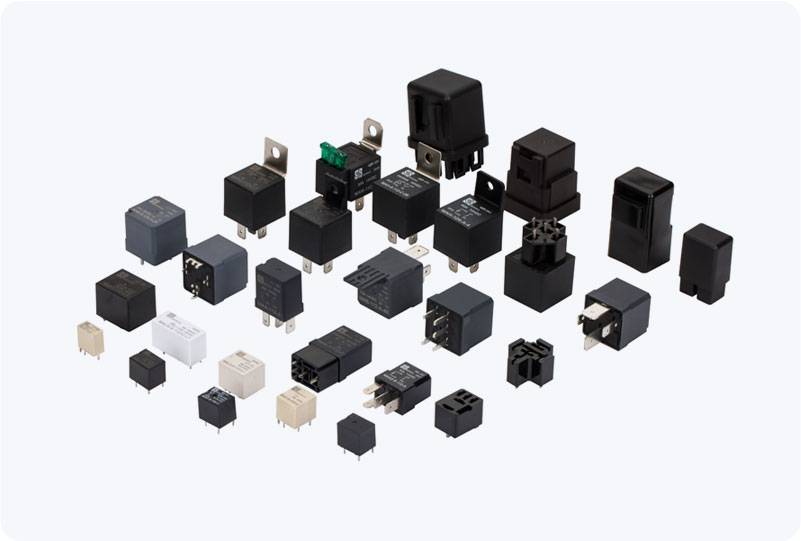
What is a Motor Overload Relay? A Motor Overload Relay is a protective device designed to monitor and safeguard electric motors from being damaged due to excessive current or overload conditions. These relays are typically used in conjunction with motor starters to disconnect the motor from the power supply if it draws too much current for a prolonged period. Overloading can cause motors to overheat, leading to insulation damage, premature wear, or even catastrophic motor failure. The motor overload relay detects this excess current or thermal stress and immediately interrupts the power supply to the motor. This action prevents potential overheating and damage, ensuring that the motor continues to function optimally over its lifespan.
Leave a Reply