In today’s rapidly evolving technological landscape, maintaining optimal environmental conditions is crucial for both personal comfort and the preservation of materials. One essential device that plays a significant role in this endeavor is the electronic hygrostat. This article explores the functions, importance, applications, and advantages of electronic hygrostats, as well as tips for selecting and maintaining these devices.
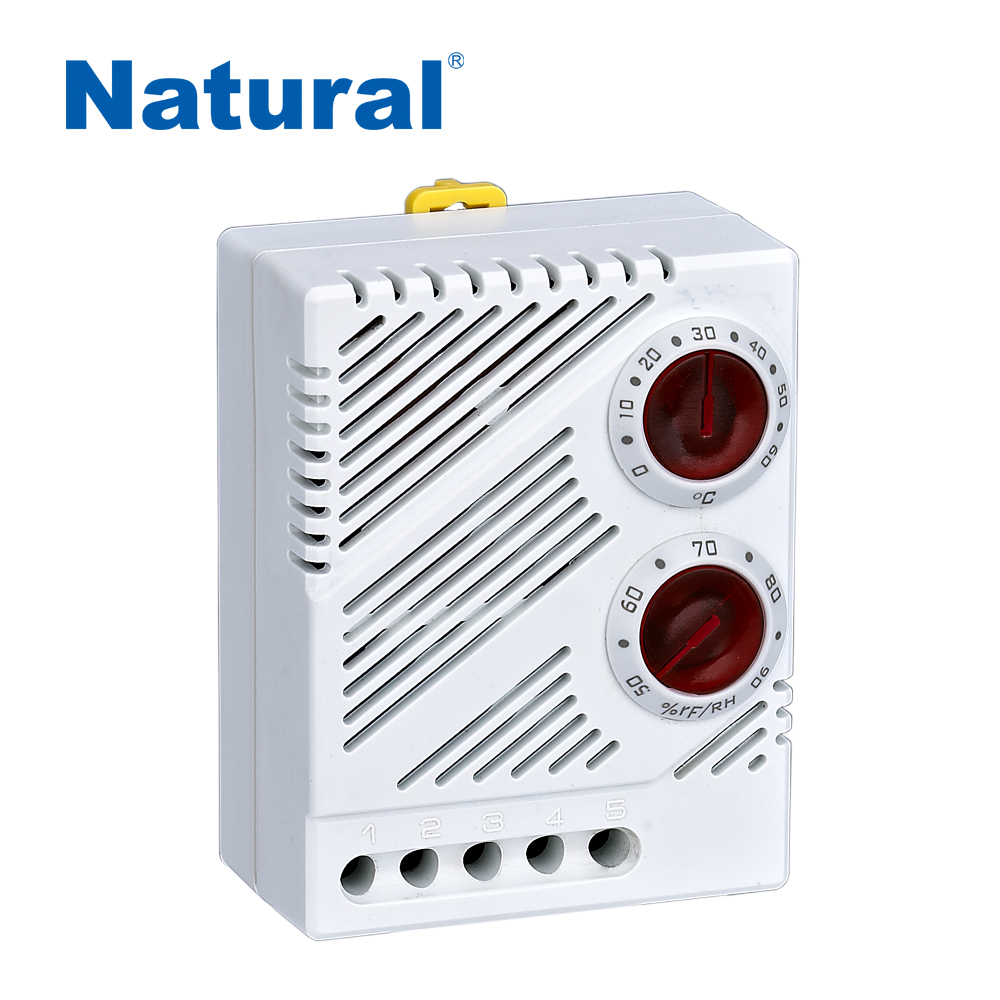
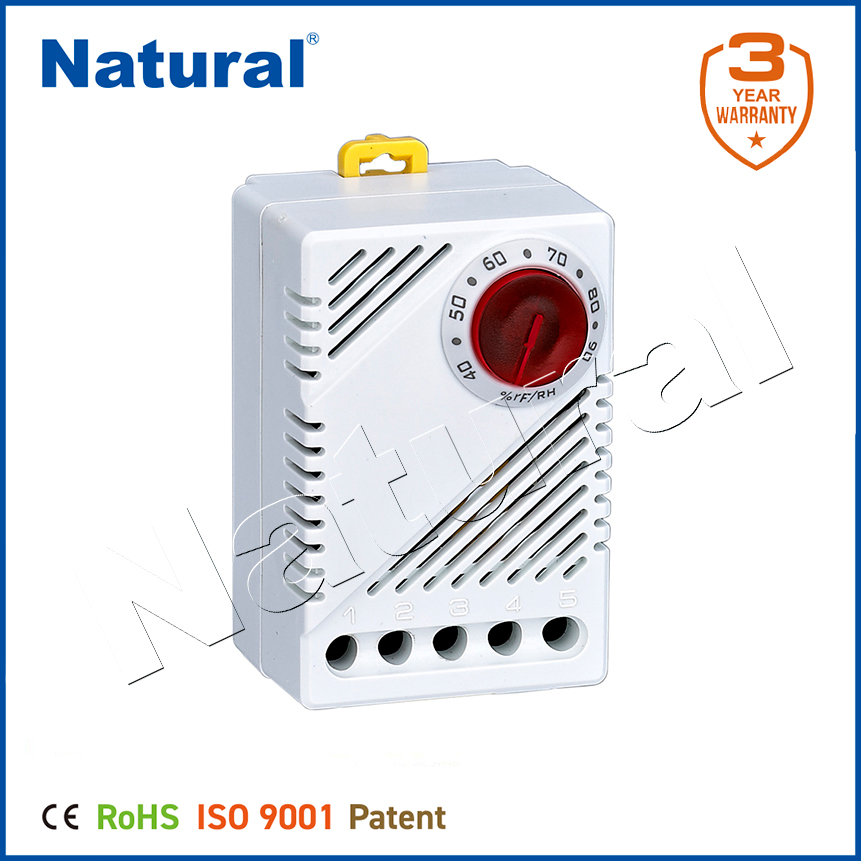
What is an Electronic Hygrostat?
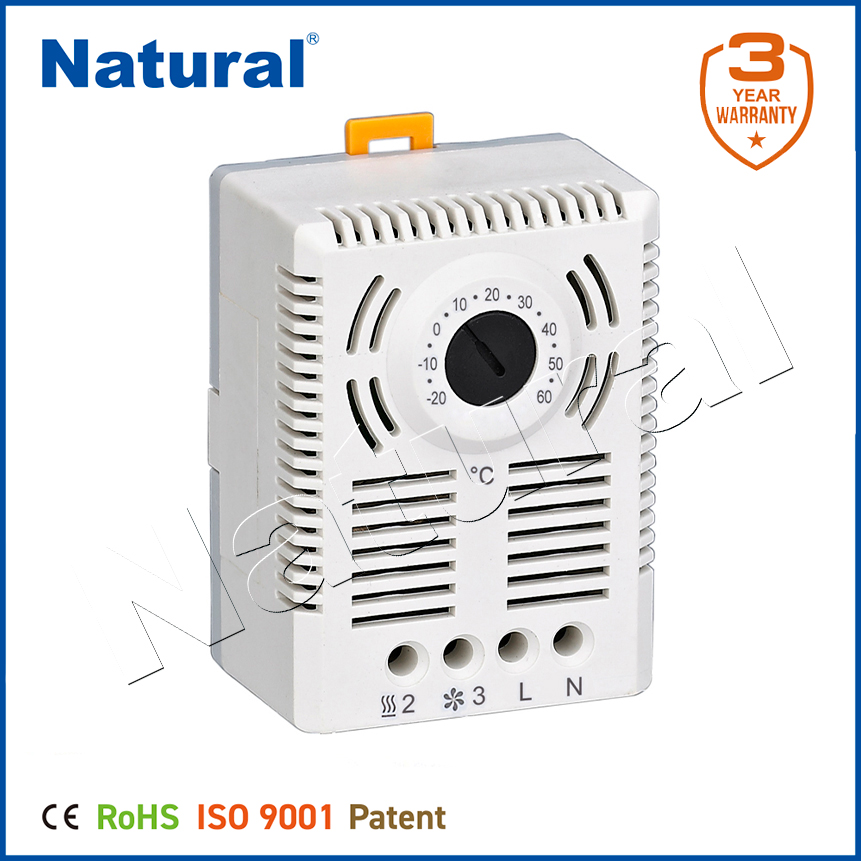
An electronic hygrostat is a sophisticated device designed to measure and control humidity levels in various environments. Unlike traditional hygrostats that rely on mechanical components, electronic hygrostats use advanced sensors and microcontrollers to provide accurate readings and precise control over humidity. These devices can be integrated with other systems, such as HVAC (heating, ventilation, and air conditioning), to maintain desired humidity levels automatically. Importance of Humidity Control Humidity plays a crucial role in many settings. In residential spaces, maintaining a comfortable humidity level can enhance indoor air quality and improve overall comfort. High humidity can lead to mold growth, while low humidity can cause dry skin and respiratory issues. In commercial settings, such as museums or laboratories, controlling humidity is essential for preserving artifacts and sensitive equipment.
Leave a Reply