The Electronic Hygrostat is a modern device designed to monitor and control the humidity levels in various environments, ensuring comfort, safety, and efficiency. With the growing need for precise humidity control in both residential and industrial settings, this device plays a crucial role in maintaining optimal air conditions. In this article, we will explore the working principles, applications, features, and benefits of the Electronic Hygrostat, as well as its relevance in today’s world.
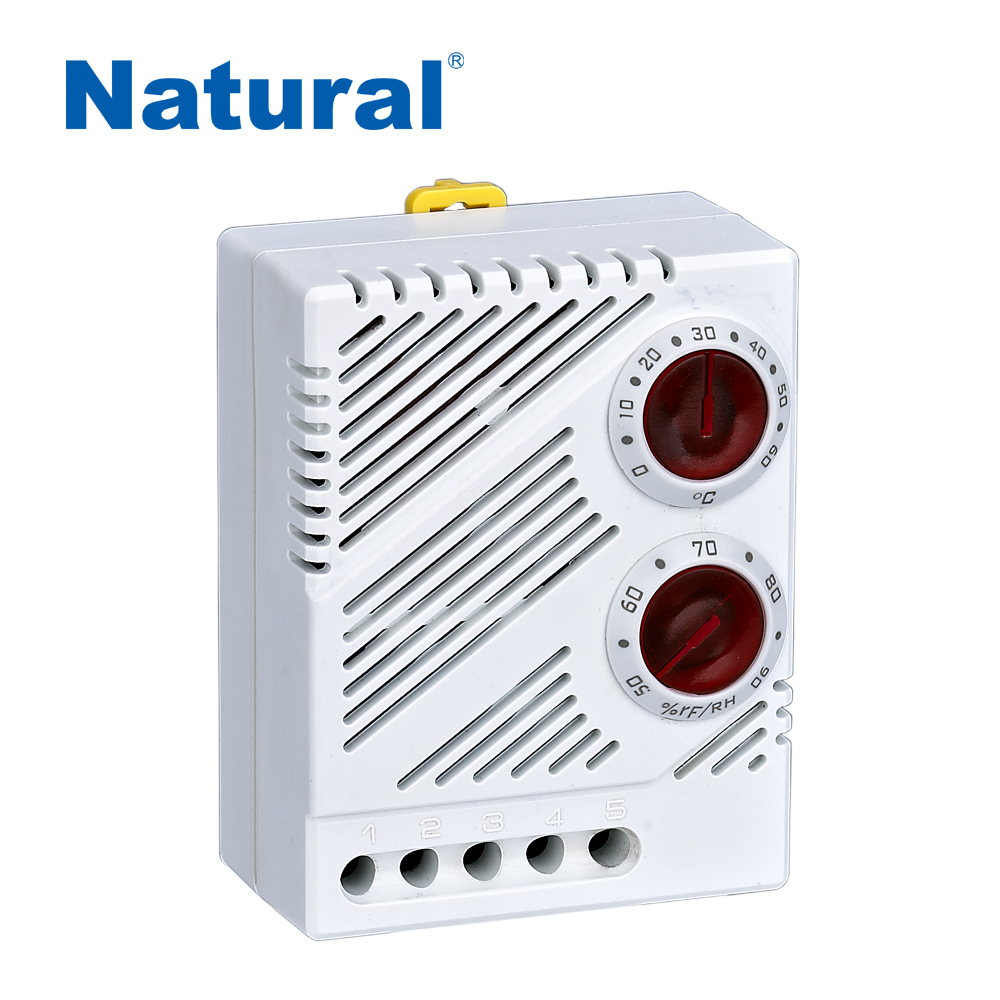
What is an Electronic Hygrostat?
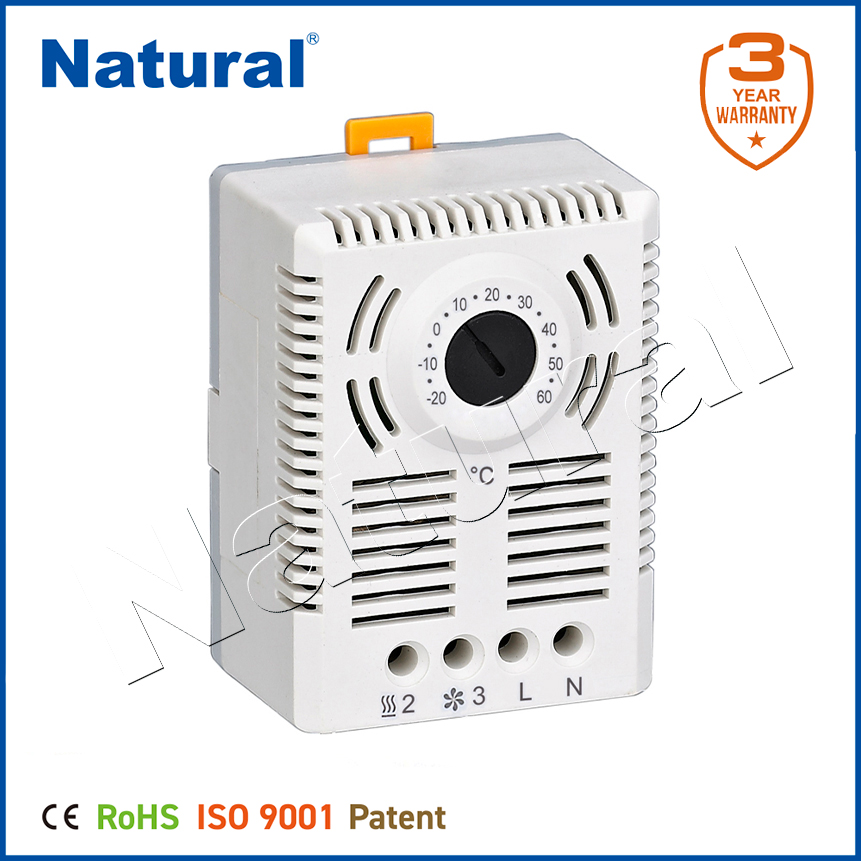
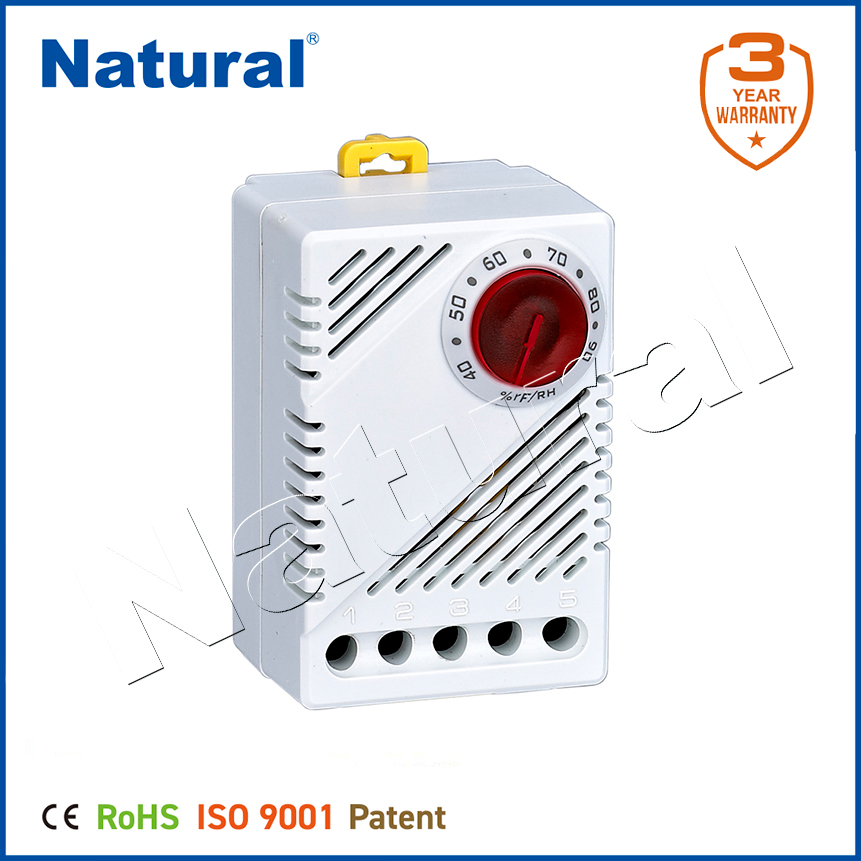
An Electronic Hygrostat is a humidity control device that measures the relative humidity (RH) of the air and activates or deactivates connected equipment based on the preset humidity threshold. It is essentially a digital version of the traditional mechanical humidistat but with enhanced accuracy, reliability, and the ability to interface with modern technology. The device uses a humidity sensor, typically capacitive or resistive, to detect the moisture level in the air, providing real-time data to the user. How Does an Electronic Hygrostat Work? The basic principle behind the Electronic Hygrostat is straightforward. It continuously monitors the humidity level in the air and compares it to a predefined setting. When the actual humidity deviates from the set value, the device takes action by turning on or off the connected equipment, such as a humidifier, dehumidifier, or ventilation system.
Leave a Reply