The Dual Relay Module is a widely used electronic component that serves as an interface between low voltage control circuits, such as microcontrollers, and high voltage or high current electrical devices. These modules are especially useful in various DIY electronics projects, home automation, industrial control systems, and robotics, where control of powerful appliances is necessary. This article will explore the basic structure, working principle, features, and common applications of the Dual Relay Module, providing a comprehensive understanding of its capabilities and uses.
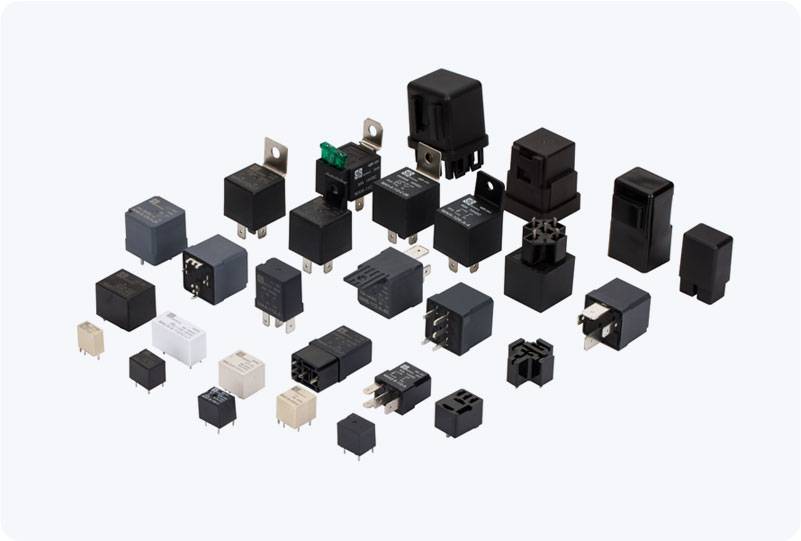
What is a Dual Relay Module? A Dual Relay Module typically consists of two individual relays, designed to be controlled by a microcontroller like Arduino, Raspberry Pi, or ESP32. Relays are electromagnetically operated switches that allow a low voltage signal to control the switching of a high voltage circuit. In essence, the Dual Relay Module enables users to control large appliances—such as lights, fans, motors, and other electrical equipment—through the relatively low-power digital outputs from microcontrollers or similar devices. Structure and Components A typical Dual Relay Module includes the following components:
Leave a Reply