The Dual Relay Module is a versatile and widely used component in electronics, particularly for projects involving microcontrollers such as Arduino, Raspberry Pi, and other automation systems. This module allows low-voltage control of high-voltage devices, making it a crucial part of smart home automation, industrial control systems, and various DIY electronics projects. In this article, we will explore the features, working principles, applications, and considerations when using the Dual Relay Module.
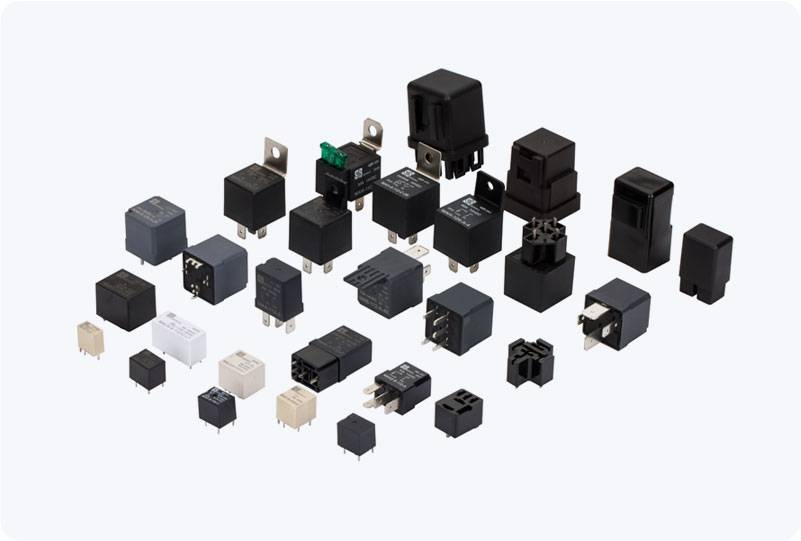
What is a Dual Relay Module? A Dual Relay Module is essentially a circuit board that contains two separate relay switches. Each relay can independently control a different device, making the module ideal for systems that need to operate multiple appliances or components simultaneously. The relays are typically controlled by a microcontroller’s GPIO (General Purpose Input/Output) pins, which send signals to the relay to switch between an open or closed state. Each relay in the module consists of an electromagnet that, when energized, creates a magnetic field strong enough to pull a switch. This switch connects or disconnects electrical circuits, allowing a low-voltage control system (like a microcontroller) to regulate high-voltage devices (such as lamps, motors, or home appliances).
Leave a Reply