A bimetal thermostat is a crucial device used for temperature regulation in various applications, from household appliances to industrial machinery. It is known for its simplicity, reliability, and low cost. Despite being one of the oldest types of thermostats, bimetal thermostats continue to play a vital role in maintaining safe operating temperatures in devices like ovens, refrigerators, and cars. This article delves into how bimetal thermostats work, their advantages, and their common applications.
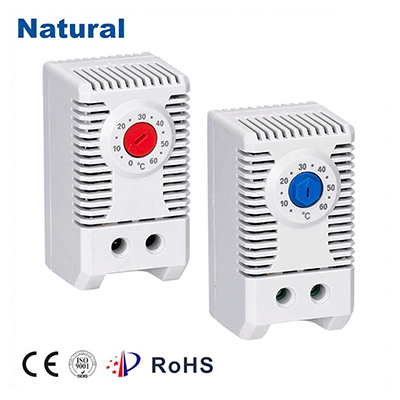
What is a Bimetal Thermostat?
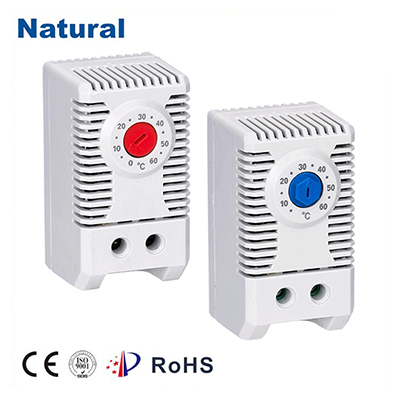
A bimetal thermostat is a mechanical temperature switch that uses the principle of thermal expansion to control temperature. It consists of two different metals that are bonded together in a flat strip or disc. These metals have different coefficients of expansion, meaning they expand and contract at different rates when exposed to heat. As the temperature rises, the bimetallic strip bends due to the differential expansion of the metals. This bending action either opens or closes an electrical contact, turning the device on or off based on the pre-set temperature. The simplicity of the bimetal thermostat makes it a very effective temperature control solution. It is capable of working without external power sources, making it energy-efficient and easy to integrate into various systems. Despite the advent of digital and electronic thermostats, the bimetal thermostat remains an enduring choice for many manufacturers due to its cost-effectiveness and robustness.
Leave a Reply