An adjustable mechanical thermostat is a time-tested, reliable device used to regulate the temperature in various environments. Unlike modern electronic thermostats, which often rely on digital systems and sensors, mechanical thermostats use traditional mechanical components to control heating or cooling systems. This makes them a popular choice in both residential and industrial applications due to their simplicity, durability, and ease of use. In this article, we will explore the working mechanism of an adjustable mechanical thermostat, its advantages, and its practical applications.
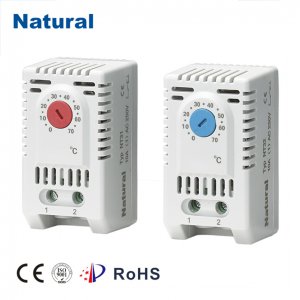
What is an Adjustable Mechanical Thermostat?
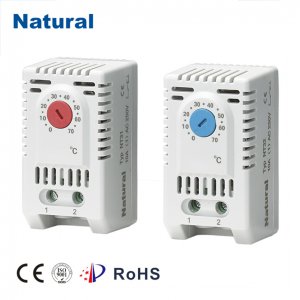
An adjustable mechanical thermostat is a temperature regulation device that utilizes mechanical components to control the operation of heating or cooling systems based on preset temperature thresholds. The thermostat contains a temperature-sensitive element, typically a bimetallic strip or a liquid-filled tube, which expands or contracts in response to temperature changes. This expansion or contraction is then used to trigger a mechanical switch, turning the connected device (such as a heater, air conditioner, or fan) on or off to maintain the desired temperature. The thermostat features a manual dial or knob, allowing users to adjust the desired temperature. When the room temperature reaches the set point, the mechanical components trigger the switch, turning the heating or cooling device on or off, depending on whether the temperature needs to be increased or decreased.
Leave a Reply