In the world of electrical engineering and automation, relays play a critical role in controlling high-power devices and circuits. Among various types of relays available, the 30A Power Relay stands out due to its ability to handle significant electrical loads. This article delves into the essential features, applications, and benefits of the 30A Power Relay, providing a comprehensive understanding of this vital component.
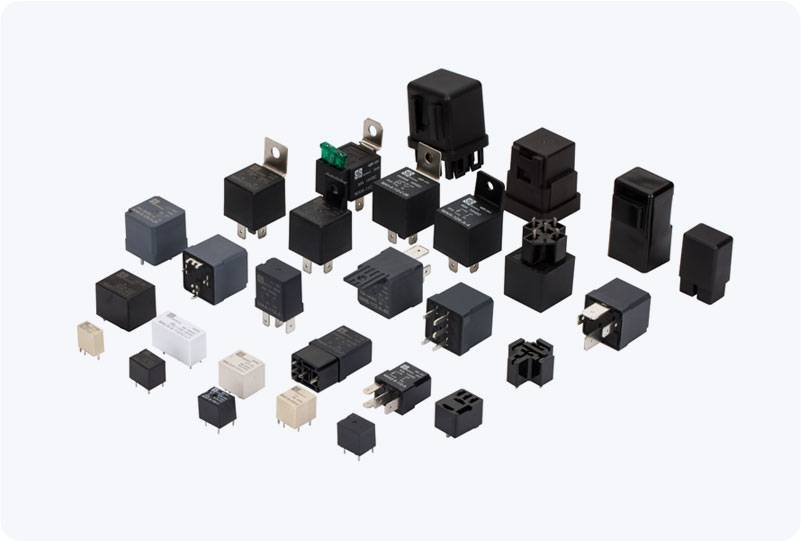
What is a 30A Power Relay? A 30A Power Relay is an electromagnetic device that acts as a switch, allowing a low-power signal to control a higher power circuit. The relay consists of an electromagnetic coil that generates a magnetic field when energized, attracting a movable contact that completes or interrupts the circuit. The primary specification of this relay is its capacity to handle up to 30 amperes, making it suitable for various applications that require significant power control. Key Features of the 30A Power Relay Current and Voltage Ratings: The defining characteristic of a 30A Power Relay is its ability to handle a continuous load of 30 amperes. It is typically designed for different voltage ratings, including 12V, 24V, 120V, and 240V, depending on specific applications.
Leave a Reply