A 24V 10A relay is an essential component in many electrical systems, offering a reliable means of controlling higher-power circuits with low-power signals. It is commonly used in a variety of applications ranging from industrial automation to vehicle electrical systems. In this article, we will dive into the technical features, working principles, and applications of the 24V 10A relay, highlighting its versatility and importance.
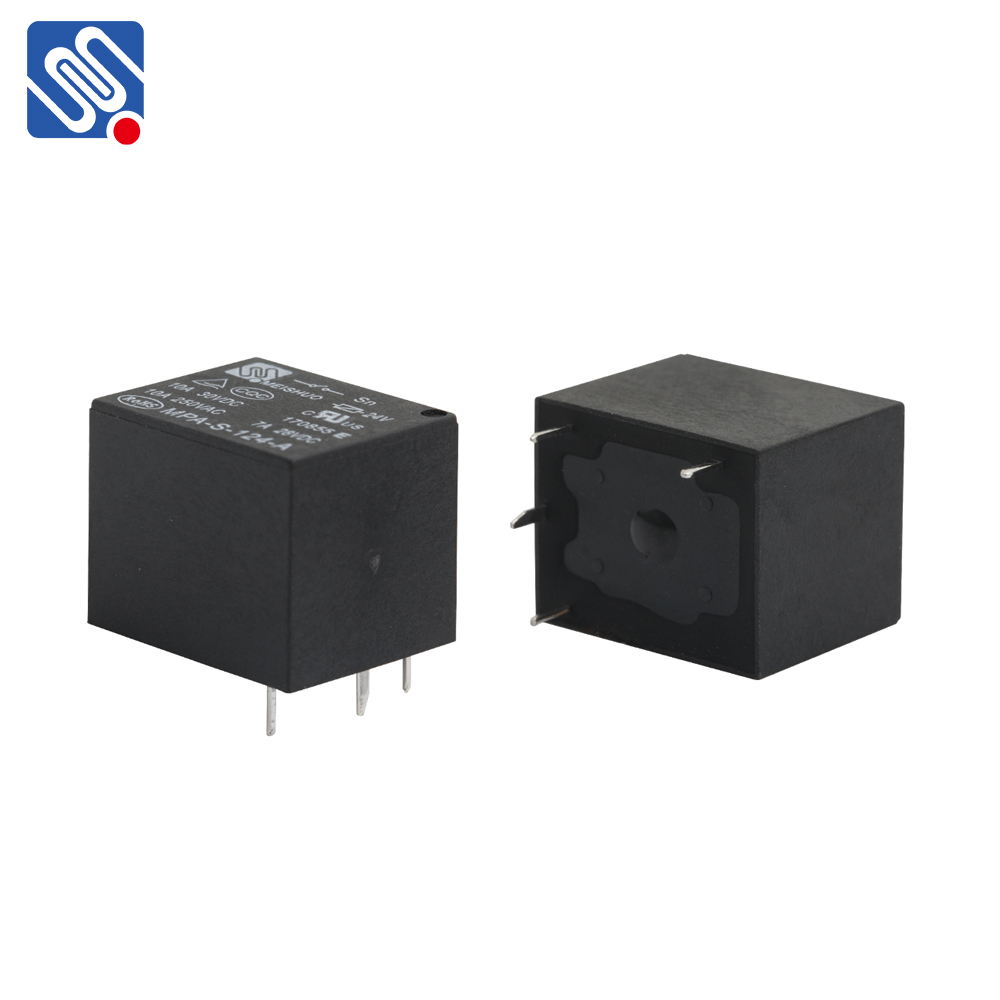
What is a 24V 10A Relay? A 24V 10A relay is an electromechanical device that uses a 24V direct current (DC) voltage to control the switching of a high-current circuit, which can carry up to 10 amperes of current. The main purpose of a relay is to allow a low-power signal to control the switching of a higher-power load. In this case, the 24V represents the voltage required to energize the coil, while the 10A refers to the maximum current the relay can handle through its contacts. Relays are often employed where it’s necessary to isolate circuits, allowing a small, low-voltage circuit to control a much larger circuit. For instance, a 24V 10A relay is commonly used in industrial control systems, automotive applications, and home automation to control motors, lights, and other electrical equipment.
Leave a Reply