A 12V relay is a crucial component in many electronic and electrical systems, allowing low-voltage circuits to control higher voltage ones. These relays operate as electromagnetic switches, providing a safe, efficient, and reliable way to manage electrical power. In this article, we will explore the working principles of 12V relays, their common applications, and their advantages in various fields.
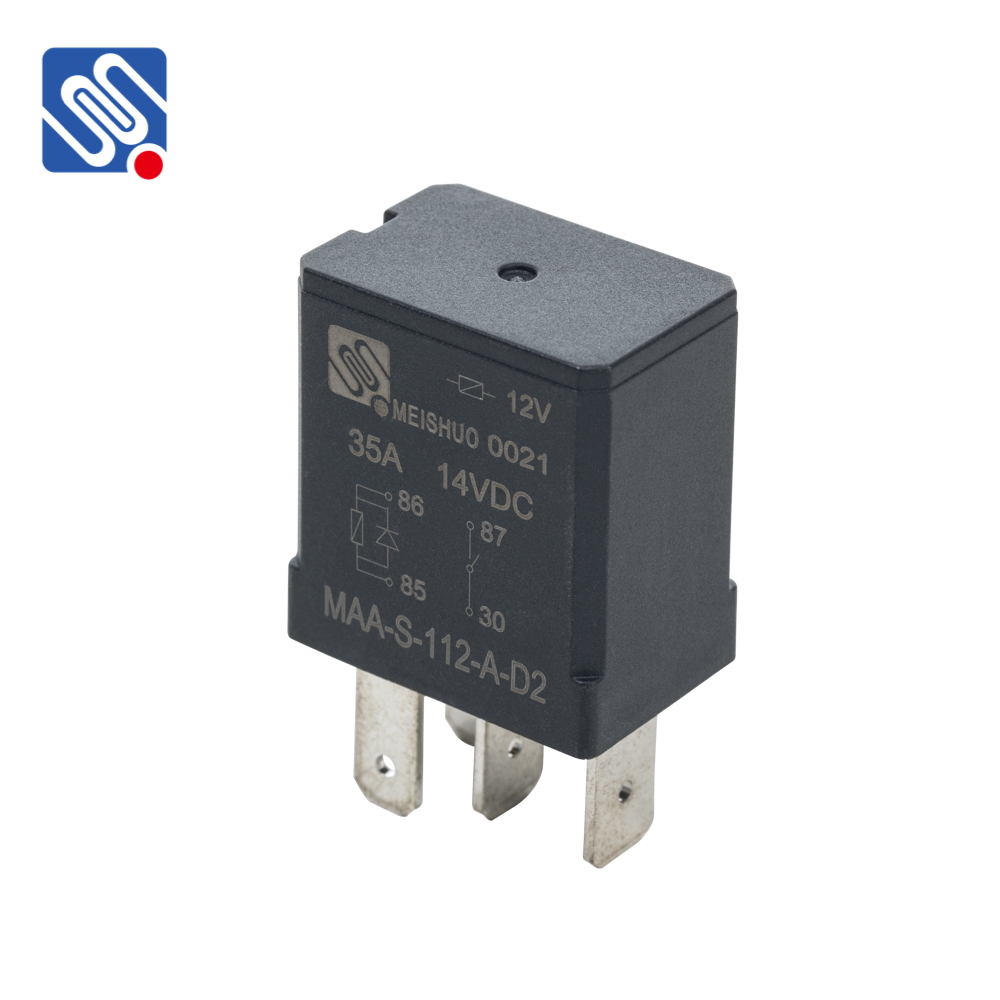
What is a 12V Relay? A 12V relay is an electromechanical switch used to control a circuit with a 12V DC signal, which in turn activates or deactivates a higher power circuit. The relay operates by using an electromagnet to control the opening and closing of its contacts. The 12V refers to the operating voltage required to activate the coil of the relay. Once the 12V is supplied, the relay’s coil generates a magnetic field that moves the contacts to either open or close a circuit. How Does a 12V Relay Work? At the core of a 12V relay is its coil (an electromagnet), which is connected to the low-voltage circuit. When a current flows through the coil, it generates a magnetic field that pulls or pushes a set of contacts. These contacts can either be normally open (NO), meaning they are open when the relay is not energized, or normally closed (NC), meaning they are closed in their default state.
Leave a Reply