A 12V relay is an essential component in many electrical and electronic systems. It is an electrically operated switch that allows a low-voltage circuit to control a higher voltage circuit safely and efficiently. By using a 12V relay, users can control devices that require more current than a simple switch or microcontroller can handle directly. This makes the 12V relay a crucial element in automotive electronics, industrial automation, and home appliances.
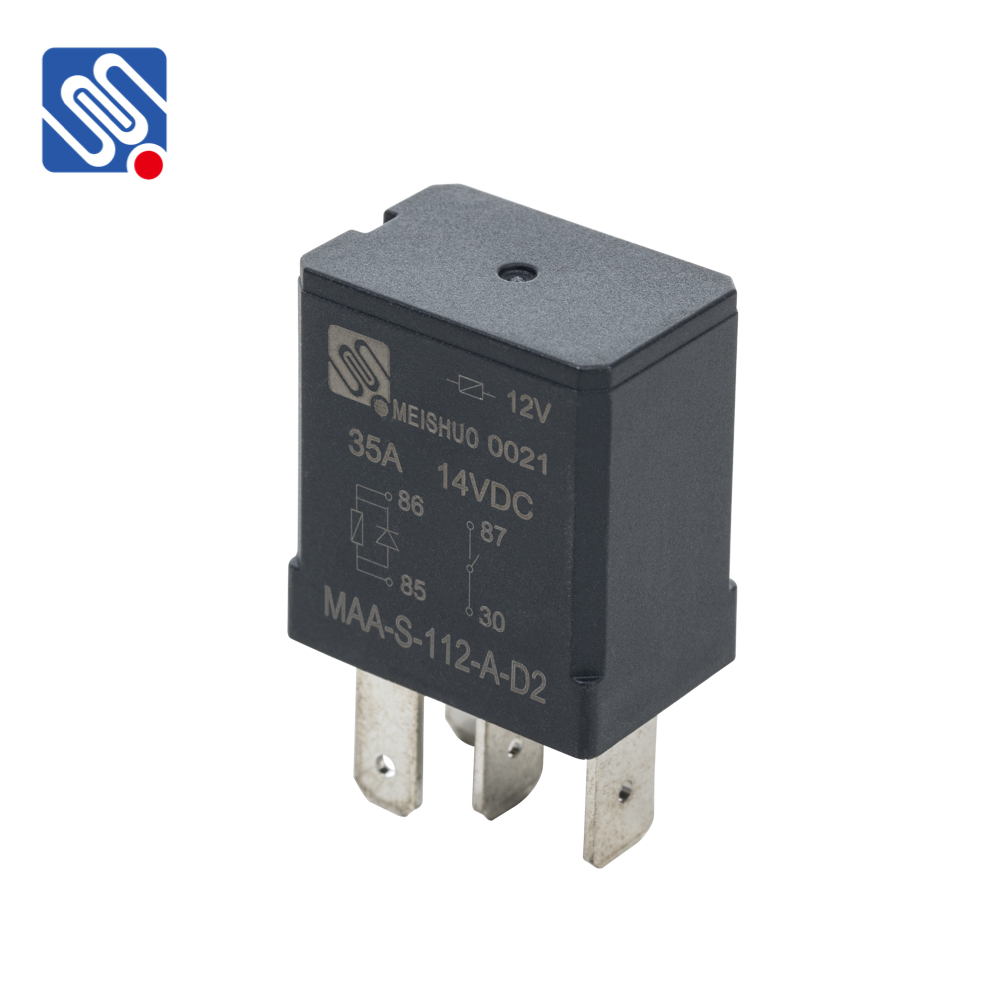
The working principle of a 12V relay is based on electromagnetism. When a 12-volt current passes through the relay’s coil, it generates a magnetic field. This magnetic field moves an internal armature, which either closes or opens the contacts of the relay. These contacts can then control a larger current in a separate circuit. Relays are usually classified into two main types: normally open (NO) and normally closed (NC). A normally open relay allows current to flow only when the coil is energized, while a normally closed relay allows current to flow until the coil is energized. One of the key advantages of a 12V relay is its ability to control high-power devices with a low-power control signal. For example, in automotive applications, a small switch connected to a 12V battery can control headlights, horns, or cooling fans that draw much higher current. Without a relay, the switch or control circuit could be damaged due to the high current. In this way, the relay acts as a protective device while allowing efficient control.
Leave a Reply