Relays play a crucial role in modern electrical systems, acting as electrical switches that allow a small control signal to manage larger loads safely and efficiently. Among various types of relays, the 12V 100A relay stands out for its capability to switch high-power devices in 12-volt systems, commonly found in automotive applications and heavy machinery. This article aims to provide an in-depth understanding of the 12V 100A relay, discussing its construction, working principles, applications, and considerations for usage.
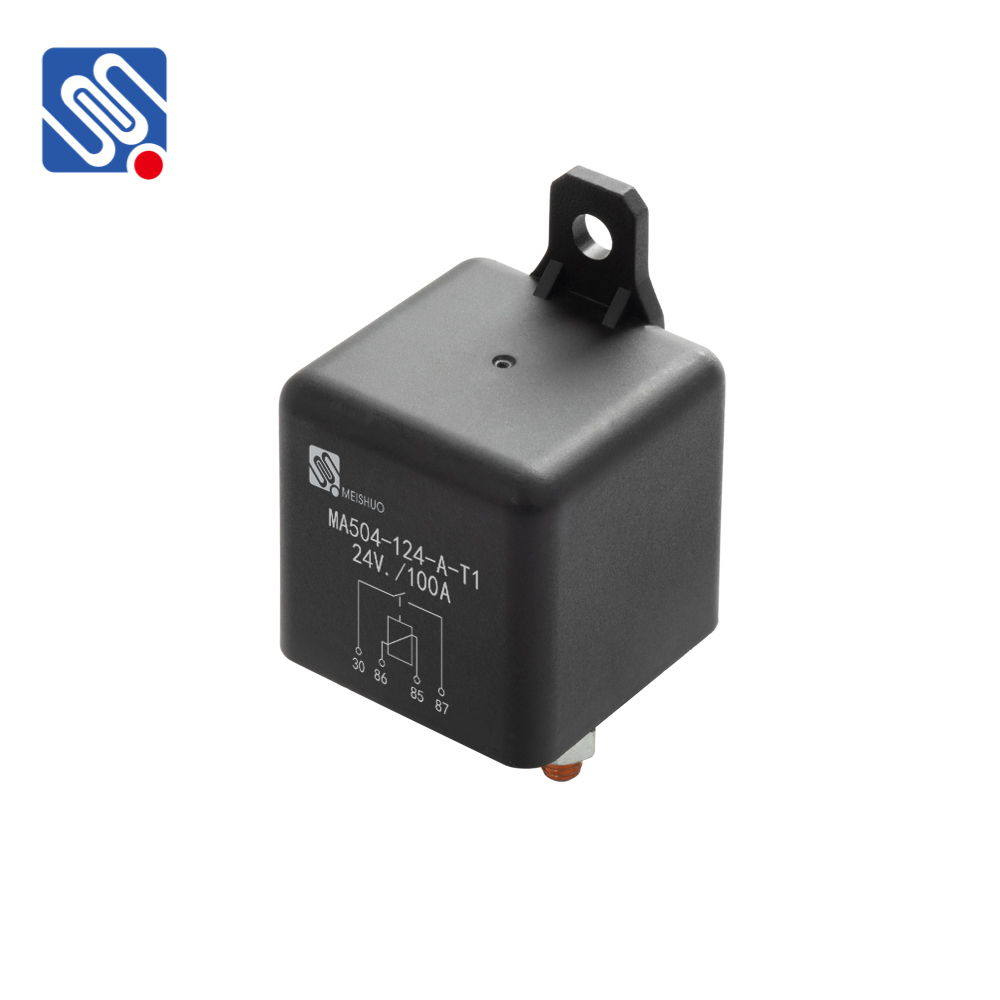
Construction of the 12V 100A Relay The 12V 100A relay consists of several key components: an electromagnet (coil), an armature, and the contact points. The coil is made of copper wire, and when an electric current passes through it, it creates a magnetic field. This magnetic field attracts the armature, a movable metal lever that either completes or breaks the circuit by opening or closing contact points. There are typically four or five terminals associated with a 12V 100A relay: Coil Terminals: These connect to the power source to activate the relay. Common Terminal (COM): This is the main terminal connecting to the load.
Leave a Reply