Stainless steel pneumatic butterfly valves are versatile components widely used in various industrial applications for controlling the flow of fluids. These valves feature a simple yet effective design, allowing for rapid operation and efficient flow management. In this article, we will explore the structure, working principle, applications, advantages, and maintenance considerations of stainless steel pneumatic butterfly valves.
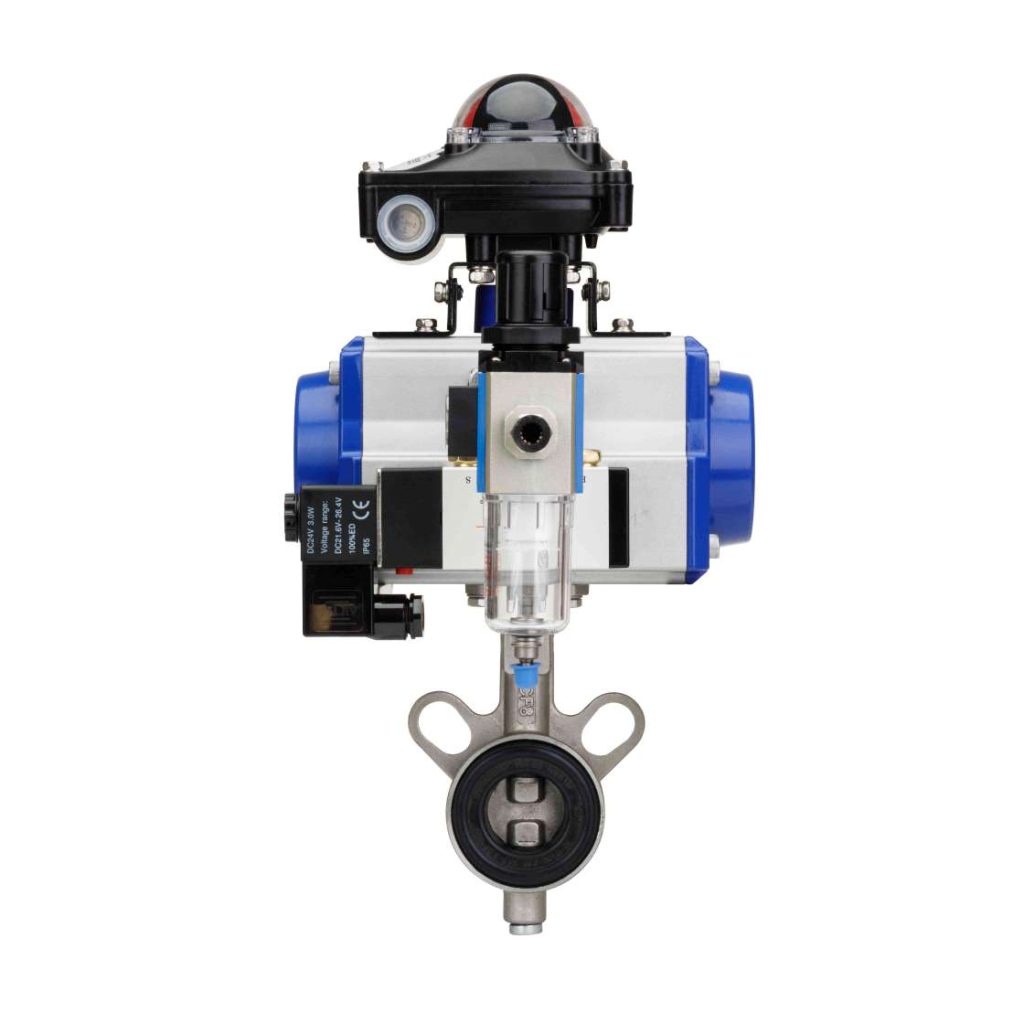
Structure and Working Principle
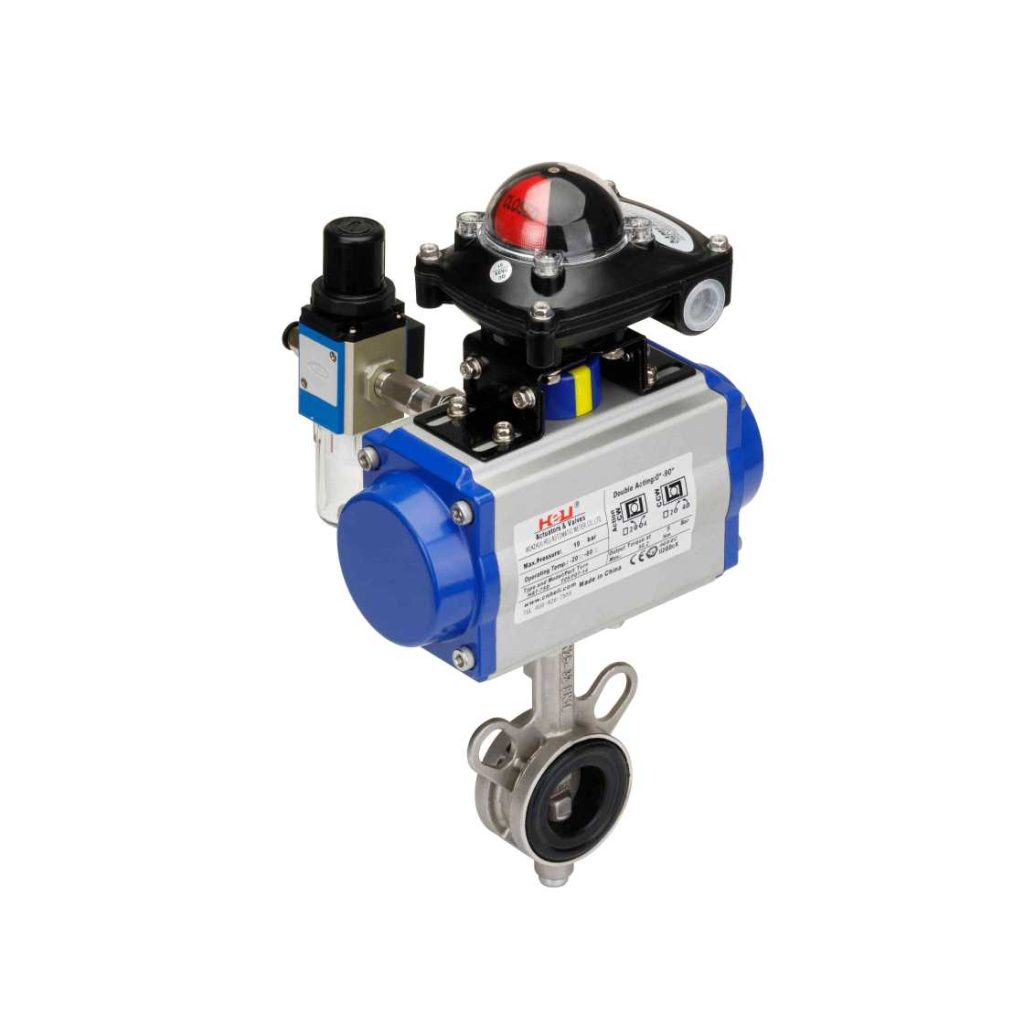
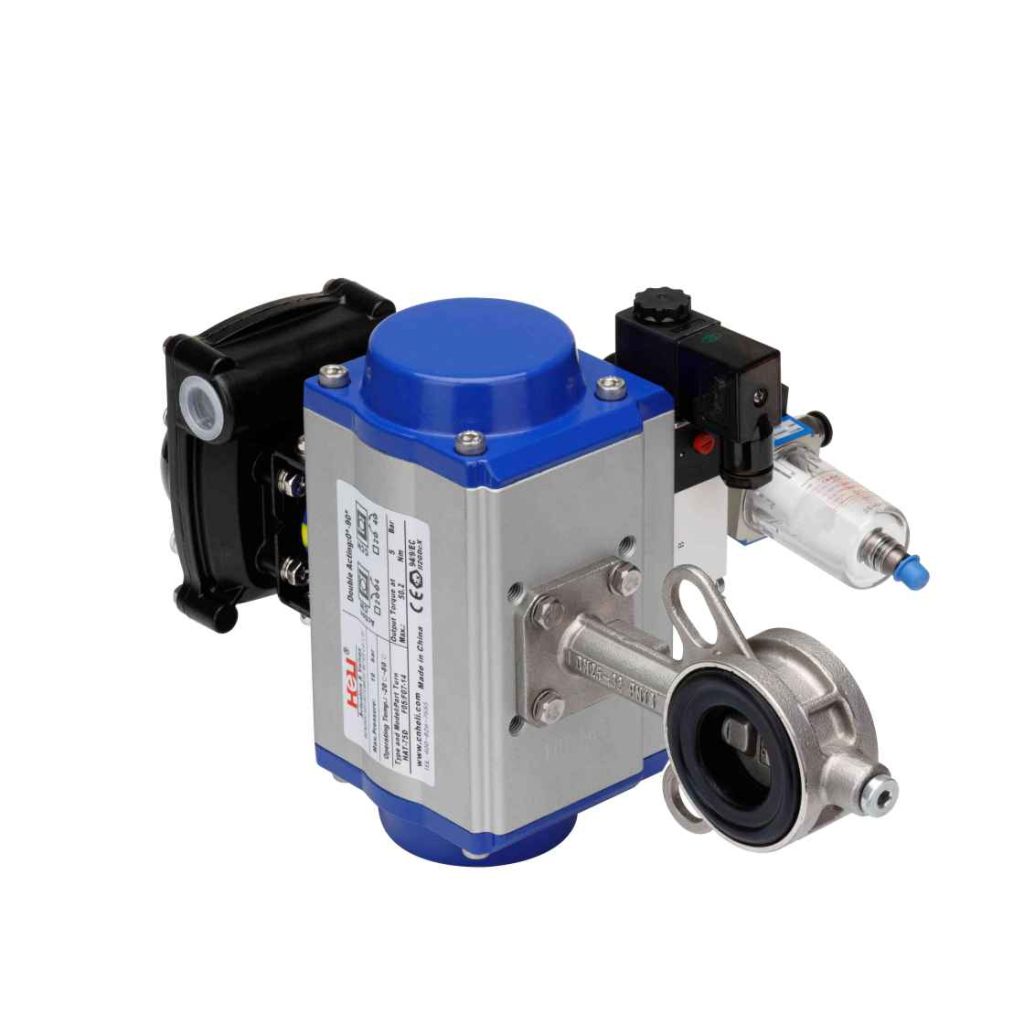
At the heart of a stainless steel pneumatic butterfly valve is the butterfly disc, which rotates within the valve body to regulate fluid flow. The valve body is typically constructed from high-quality stainless steel, such as 304 or 316, providing excellent resistance to corrosion and high temperatures. This makes these valves particularly suitable for demanding environments where traditional materials might fail. The valve operates through a pneumatic actuator connected to the butterfly disc via a stem. When the actuator receives compressed air, it either opens or closes the valve by rotating the disc. There are two primary types of pneumatic actuators: single-acting, which rely on a spring to return the valve to its closed position, and double-acting, which uses air pressure to operate in both directions.
Leave a Reply