Relay lifespan is a critical aspect of electrical engineering and automation that often goes unnoticed. While relays are vital in controlling electrical systems, their effectiveness is significantly influenced by how long they can operate reliably. Understanding relay lifespan involves examining various factors that contribute to both mechanical and electrical longevity. This article aims to explore the characteristics of relay lifespan, factors affecting it, and implications for system reliability.
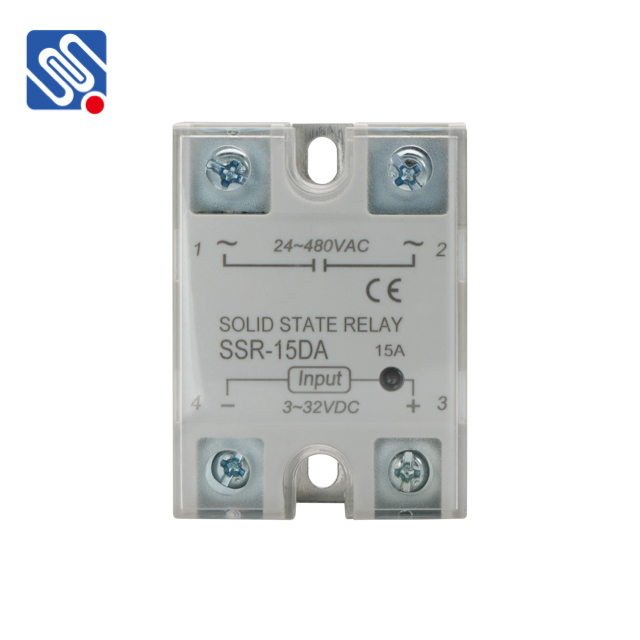
The Basics of Relay Lifespan At its core, a relay is an electromagnetic switch that utilizes an electric current to mechanically operate a switch. Relays are instrumental in various applications, ranging from simple household appliances to complex industrial systems. However, like all mechanical and electronic devices, relays have a limited lifespan, primarily categorized into two types: mechanical lifespan and electrical lifespan. Mechanical Lifespan refers to the number of operations a relay can perform without electrical current. This lifespan is dictated by the wear and tear on the mechanical components, such as springs and armatures, when the relay is actuated. It is typically expressed in terms of millions of operations.
Leave a Reply