Introduction
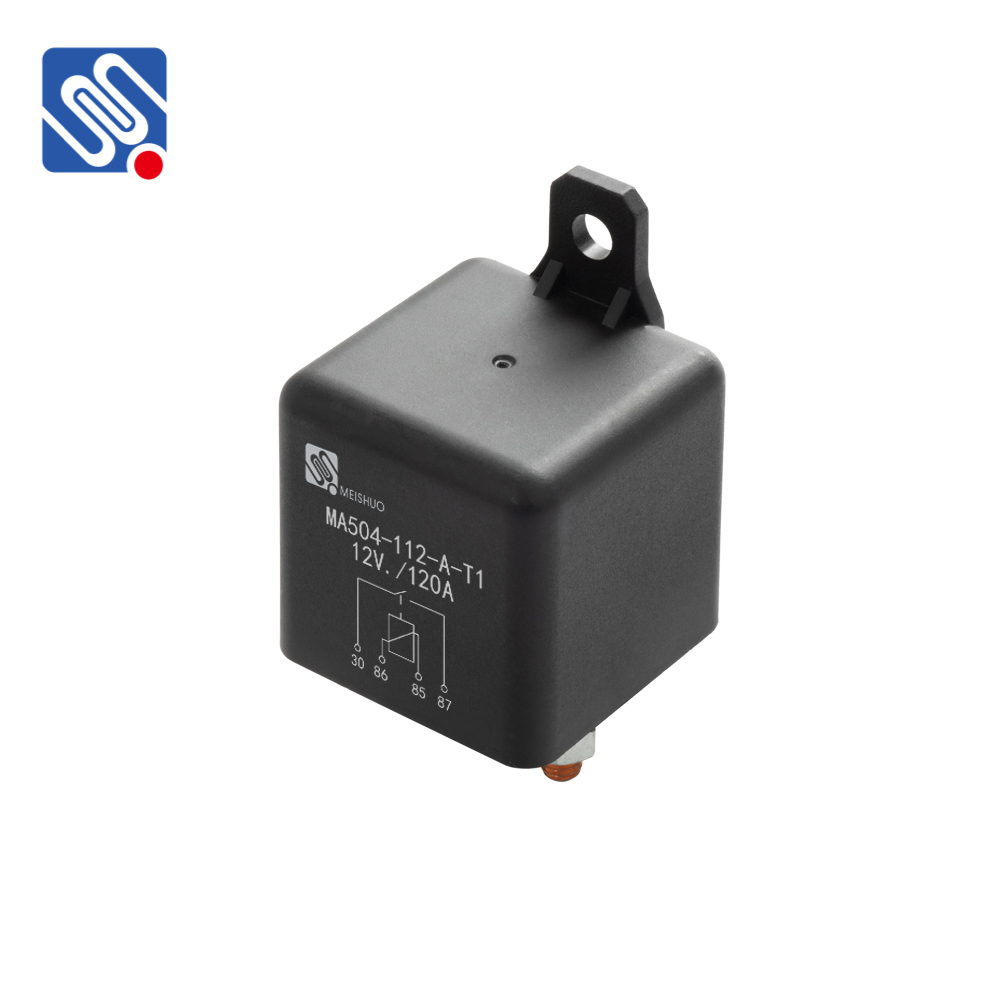
Relay isolation is a fundamental concept in electrical engineering and electronics that serves to protect circuits and devices by providing electrical separation between different components. In a world where the complexity of electrical systems continues to grow, understanding relay isolation’s significance has become increasingly critical. This article delves into the concept of relay isolation, its operation, benefits, applications, and how it enhances the overall reliability and safety of electronic systems. What is Relay Isolation? At its core, relay isolation refers to the use of relays to create a barrier between two circuits, ensuring that they do not electrically interact with one another. A relay is an electromechanical switch that uses an electromagnetic coil to open or close a circuit. This isolation protects sensitive components in control circuits from voltage spikes, noise, and other forms of electrical interference caused by higher-power circuits.
Leave a Reply