Relay isolation is a crucial concept in electrical engineering, offering an effective means of protecting sensitive components from high voltages and currents. This article explores the importance of relay isolation, how it works, and its applications in modern circuit design and automation systems.
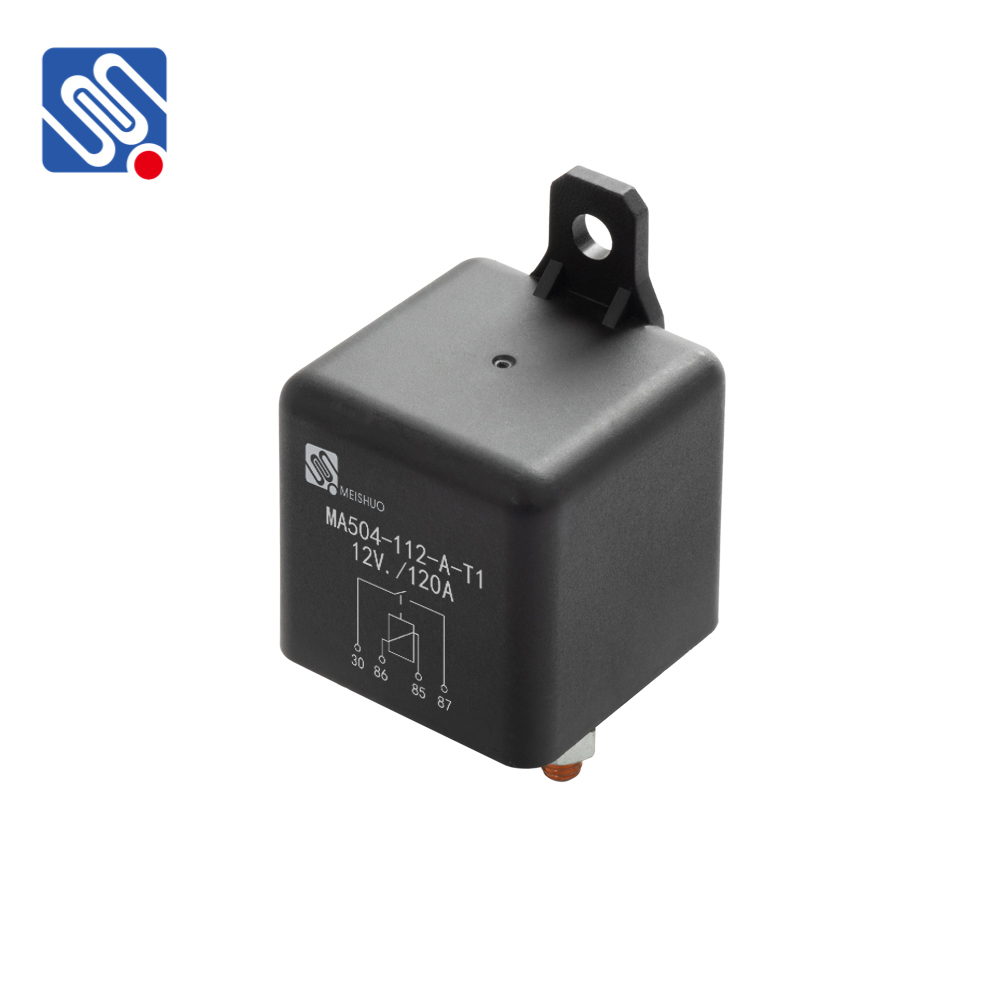
What is Relay Isolation? Relay isolation refers to the electrical separation between the control side (input) and the switched side (output) of a relay. It essentially ensures that signals from a low-voltage, low-current circuit do not interfere with or damage a high-voltage, high-current circuit. This separation is vital for system safety, protecting low-power components from potentially destructive high-voltage spikes or transients. Relays, which operate based on electromagnetic principles, provide this isolation by physically separating the input and output circuits through their internal contacts. When an electrical current flows through the coil (input side), it generates a magnetic field that moves the contacts to complete or break the circuit on the output side. Because the contacts act as a barrier between the two sides, no direct electrical connection occurs, preventing unwanted interactions.
Leave a Reply