Relay circuit protection is a crucial aspect of modern electrical systems, ensuring the safety and reliability of circuits by detecting faults and responding promptly to prevent damage. Relays are electrically operated switches that can control high current or voltage circuits, making them ideal for protecting sensitive equipment. The use of relay circuit protection provides a wide range of benefits, from overcurrent and overload protection to preventing potential short circuits or voltage spikes. This article explores the key functions, types of relays, and the importance of relay circuit protection in electrical systems.
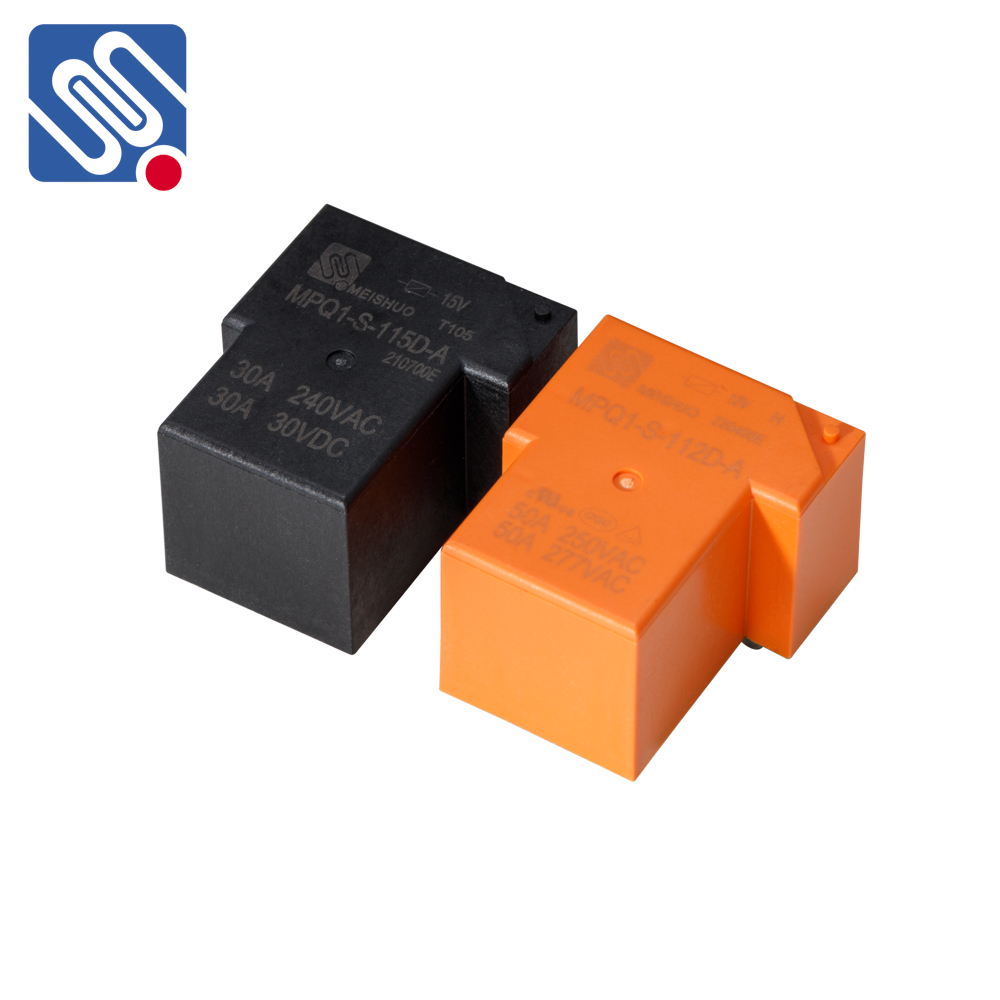
Key Functions of Relay Circuit Protection At its core, relay circuit protection works by monitoring the current or voltage within a circuit and triggering a response if abnormal conditions are detected. These abnormal conditions can include excessive current, voltage fluctuations, or short circuits, all of which can lead to system failures or equipment damage if not addressed quickly. Overcurrent Protection Overcurrent protection is one of the primary functions of relay protection. It is designed to detect when the current flowing through a circuit exceeds a pre-set limit, which could be caused by a short circuit or an overload. Once the relay detects an overcurrent situation, it promptly opens the circuit, disconnecting the load from the power source to prevent damage to wires, transformers, or other components.
Leave a Reply