Relay assembly is a critical process in the world of electrical engineering and automation. It refers to the assembly of relays, which are electromagnetic switches used to control the flow of electricity in various systems. This process is integral to ensuring that electrical circuits function correctly and efficiently, from household appliances to industrial machinery. In this article, we will explore the components of a relay, the steps involved in its assembly, and its applications in various industries.
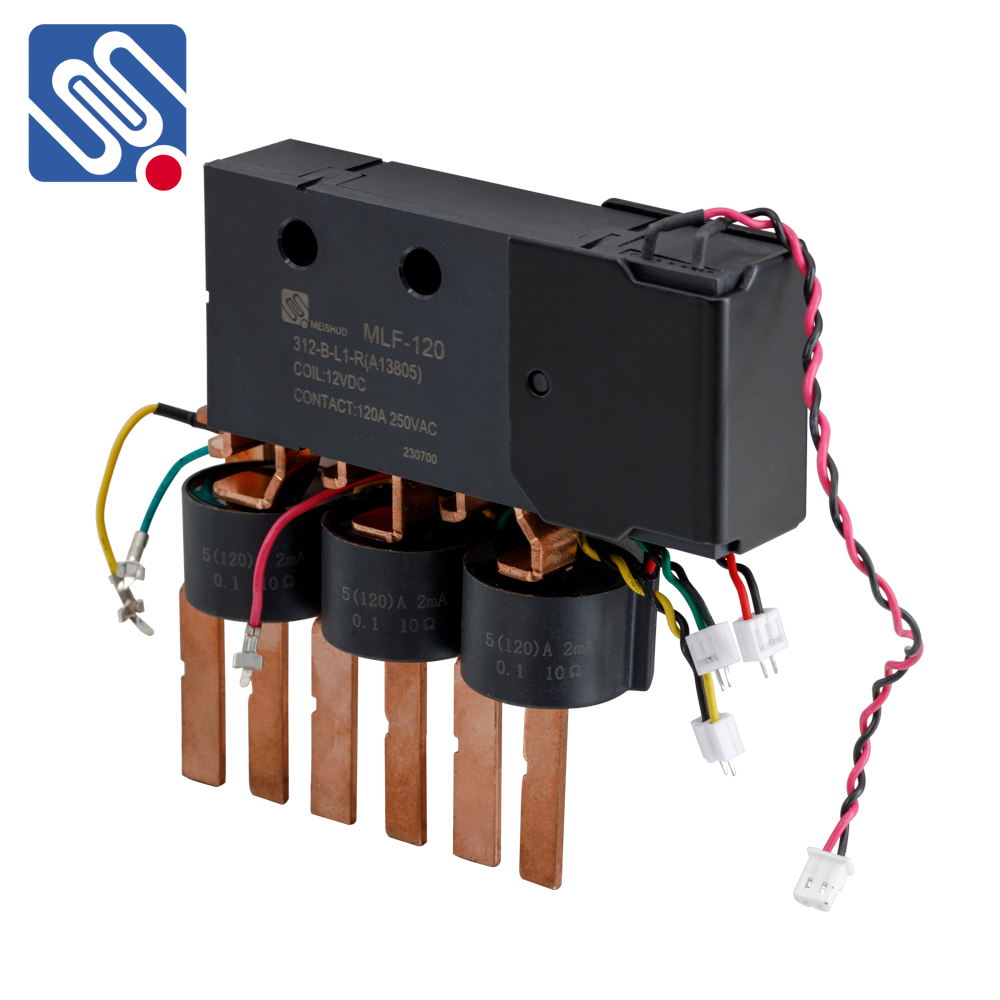
What is a Relay? A relay is a type of switch that opens and closes electrical contacts to control the flow of electricity. It operates using an electromagnetic mechanism, wherein a coil generates a magnetic field when current passes through it. This magnetic field moves a set of contacts, either opening or closing them, thereby controlling a larger current. Relays are essential in applications where a low-power signal needs to control a high-power load. Key Components of a Relay Before diving into the assembly process, it is essential to understand the basic components of a relay:
Leave a Reply