Relay assembly is a critical process in the production of reliable electrical switching systems. These devices, widely used across various industries, help control high-voltage systems through low-voltage signals, making them indispensable in automation, telecommunications, automotive electronics, and home appliances. This article delves into the process of relay assembly, the components involved, and the considerations necessary to ensure high-quality performance.
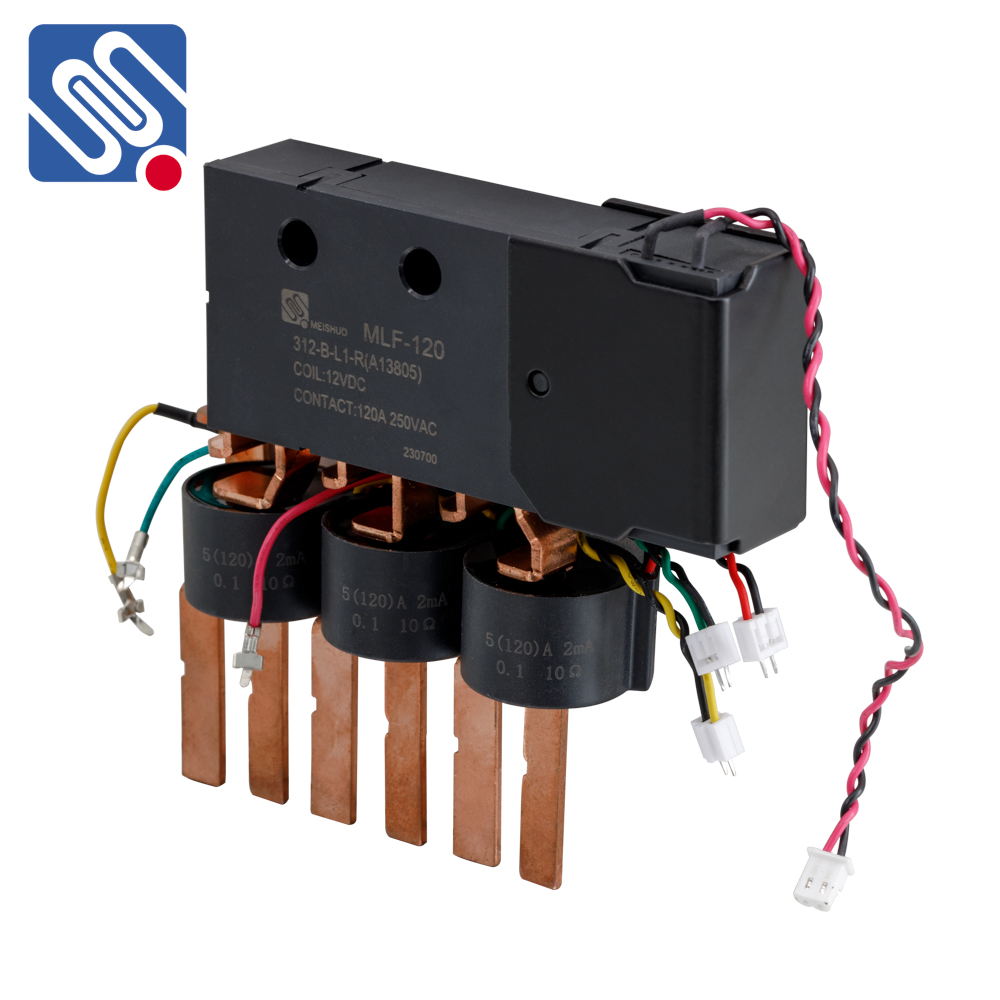
What is Relay Assembly? Relay assembly refers to the process of assembling the individual parts of a relay into a complete and functional unit. A relay is an electromagnetic switch that uses a small electrical current to control a larger current. When the low-voltage coil is energized, it creates a magnetic field that moves an armature to open or close the relay’s contacts, allowing the control of high-power electrical devices. Key Components in Relay Assembly Coil: The coil is a wire wound into a loop, usually made from copper or aluminum. It generates a magnetic field when electrical current passes through it, acting as the core component for triggering the relay.
Leave a Reply