Pneumatic systems play a crucial role in various industries, providing power for machinery, tools, and equipment. These systems, relying on compressed air or gases to generate force, are efficient but can pose significant risks during maintenance or repair. Without proper safety measures, unexpected releases of compressed air or unintentional starts of machinery can lead to accidents or injuries. One essential safety feature in pneumatic systems is the use of pneumatic lockouts. These devices are designed to control the flow of air or gases to prevent the accidental activation of equipment during maintenance. In this article, we will explore what pneumatic lockouts are, their importance, types, and how they contribute to safety in industrial environments.
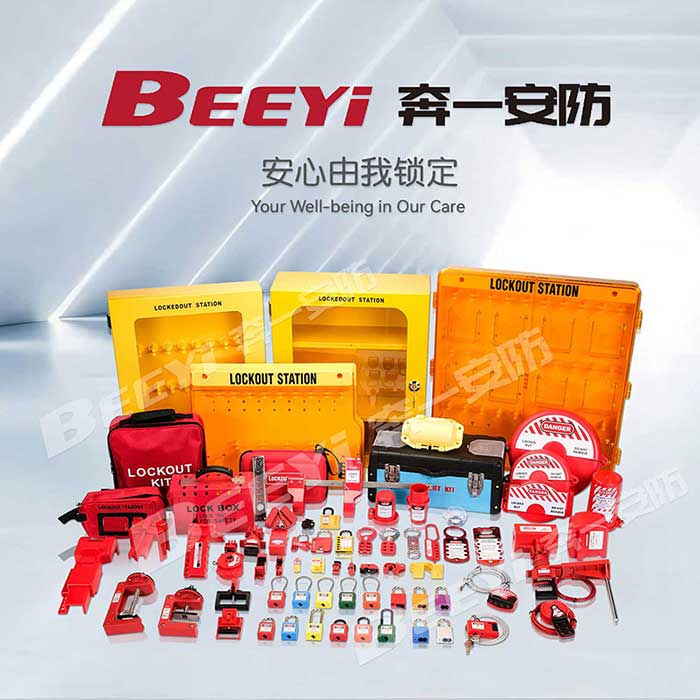
What are Pneumatic Lockouts? Pneumatic lockouts are safety devices that isolate pneumatic energy sources, ensuring that machinery or equipment remains in a safe, de-energized state during maintenance or repair. These devices lock the valve, preventing the unintended release of compressed air and protecting maintenance workers from potential hazards. By preventing the accidental start-up of equipment, pneumatic lockouts ensure that workers can perform their tasks without fear of sudden machine movement or hazardous pressure release. In essence, a pneumatic lockout provides a physical barrier between the equipment and its energy source, such as a compressed air line. It’s typically used as part of a larger Lockout/Tagout (LOTO) safety protocol, which is a set of procedures to isolate energy sources from machinery or equipment before maintenance.
Leave a Reply