One way solenoid valves are integral components in various fluid control systems, offering efficient and reliable management of liquids and gases. Their design, which allows flow in one direction only, plays a vital role in preventing backflow and ensuring the safe and effective operation of numerous applications. This article provides an in-depth exploration of one way solenoid valves, focusing on their functionality, advantages, and diverse applications across different industries.
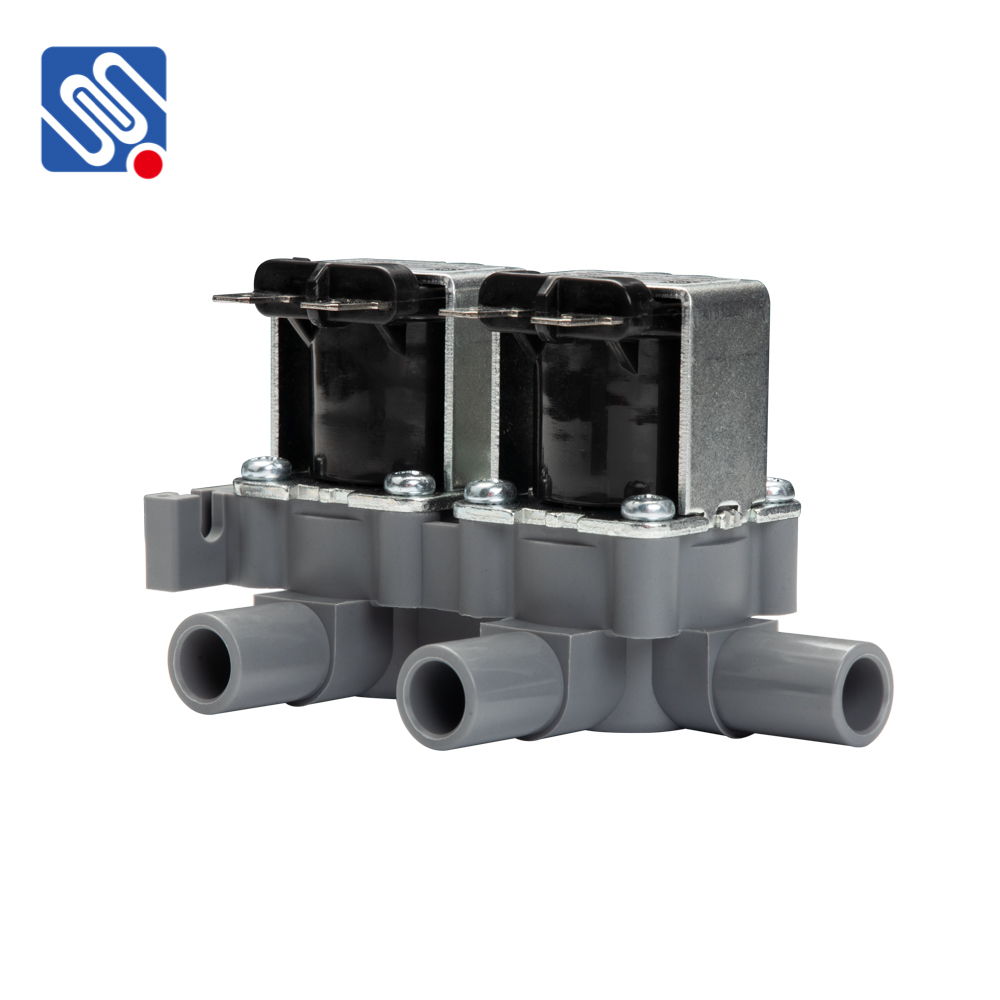
Functionality of One Way Solenoid Valves At the heart of a one way solenoid valve is its unique mechanism that operates through electromagnetic principles. The key components include an electromagnetic coil, a valve body, and a movable diaphragm or plunger. When an electric current is supplied to the coil, it generates a magnetic field, which either lifts the diaphragm or shifts the plunger. This action creates an opening in the valve, allowing fluid to flow through in one specified direction. The construction of one way solenoid valves ensures that they automatically close when power is removed. A spring often assists this process, returning the valve to its default closed position, thereby preventing any reverse flow. This feature is critical in maintaining system integrity, as it guards against the potential risks associated with backpressure.
Leave a Reply