In the ever-evolving world of electronics, energy efficiency and compact designs have become top priorities. Low-power relays are an essential innovation that meets these demands. These devices enable efficient electrical switching while consuming minimal energy. This article explores the features, advantages, and applications of low-power relays, shedding light on their significance in modern technology.
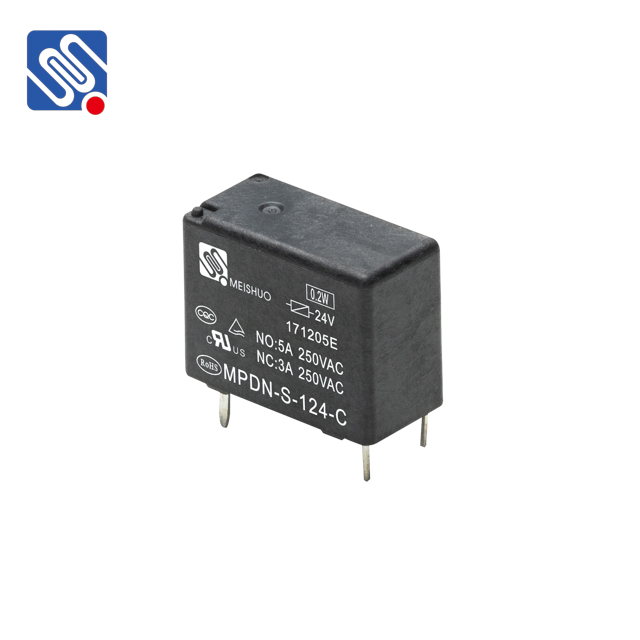
What is a Low-Power Relay? A low-power relay is an electromechanical switch designed to operate with significantly reduced energy consumption compared to traditional relays. It typically features a coil that requires less electrical power to activate, making it ideal for applications that need to conserve energy. Unlike conventional relays that may require higher amounts of power to energize the coil, low-power relays are optimized to function with minimal electrical input, often drawing only a few milliwatts of power. These relays are generally compact in size, lightweight, and capable of providing high reliability in switching operations, even under low-energy conditions. As a result, low-power relays are frequently used in a variety of fields, especially where battery-operated devices or low-power systems are involved.
Leave a Reply