In industrial and manufacturing settings, the importance of safety cannot be overstated. Workers frequently encounter equipment that can pose dangerous risks, particularly during maintenance and repair operations. One of the most effective practices for safeguarding workers is the implementation of Lockout Tagout (LOTO) procedures, which involve specific LOTO equipment designed to prevent the accidental energization of machinery. This article explores the significance of lockout tagout equipment, how it functions, and its crucial role in workplace safety.
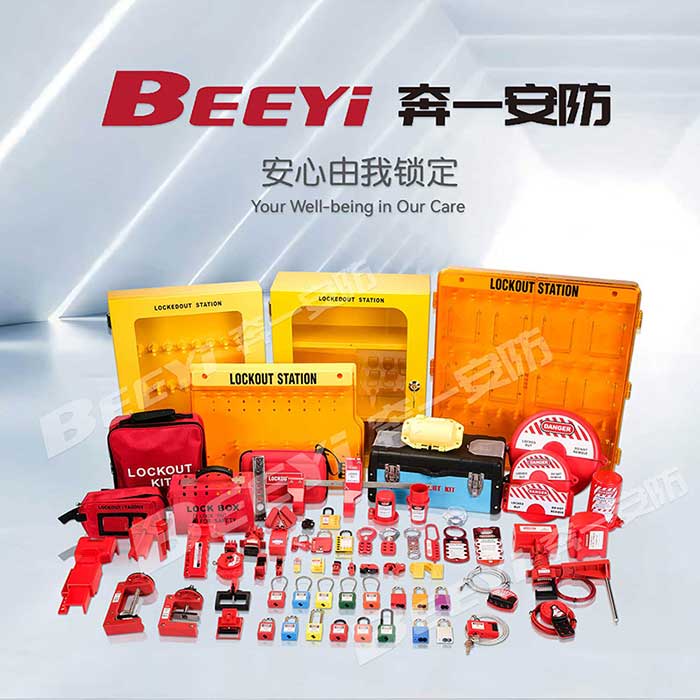
What is Lockout Tagout? Lockout Tagout refers to a safety protocol used to ensure that dangerous machines are properly shut down and unable to start up again before maintenance or servicing work is completed. The concept involves the use of locks and tags to physically prevent the operation of machinery or equipment. By isolating the energy sources of machines, workers can carry out their tasks without the fear of unexpected equipment activation, which can lead to severe injuries or even fatalities. Components of Lockout Tagout Equipment Locks: Locking devices are a fundamental aspect of the LOTO process. Workers use padlocks or specialized lockout locks to secure energy isolation points, such as circuit breakers or valves. These locks are typically made from durable materials and can only be opened by the person who applied them, ensuring that no unauthorized personnel can reactivate the machinery.
Leave a Reply