In today’s world, electrical safety is of paramount importance, especially in industrial, commercial, and residential settings. One vital component that plays a significant role in safeguarding electrical systems is the Ground Fault Protection Relay (GFPR). This device not only detects ground faults but also initiates appropriate measures to prevent accidents and damage. In this article, we will delve into the workings, significance, applications, and types of Ground Fault Protection Relays, highlighting their essential role in electrical safety.
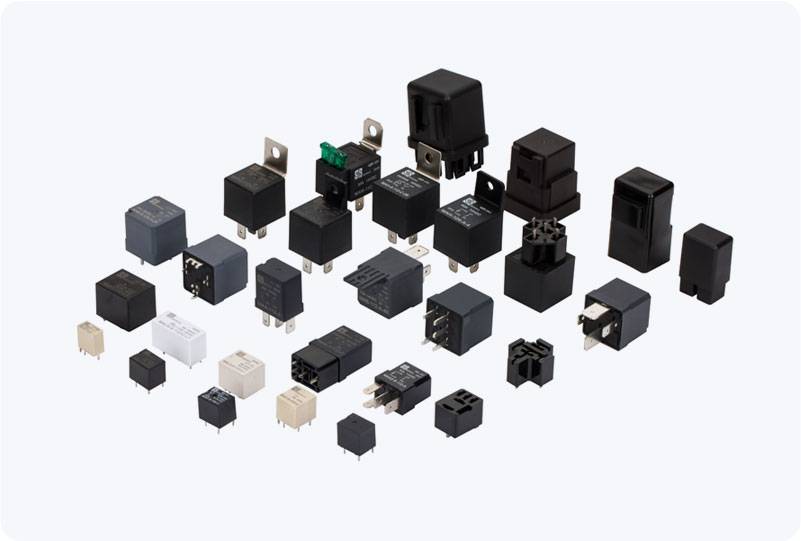
What is a Ground Fault Protection Relay? A Ground Fault Protection Relay is an electrical device designed to monitor electrical currents in a system. It specifically detects an imbalance caused by a fault condition, where current leaks to the ground. When such a discrepancy is detected, the relay activates a response, typically opening a circuit breaker to isolate the faulty section, thus preventing potential hazards such as electrical shocks, fires, or equipment damage. How Does it Work? The operation of a Ground Fault Protection Relay is based on the principle of current balance. Under normal conditions, the current flowing through the line conductors should equal the return current returning to the transformer or generator. However, in the event of a ground fault, some of the current will flow to the ground rather than returning. The relay utilizes a current transformer (CT) to compare the incoming and outgoing currents. If the difference between these two currents exceeds a predetermined threshold, the GFPR activates.
Leave a Reply