Electric actuator valves are a vital part of industrial automation systems, enabling precise control over fluid and gas flow. With the growing complexity of industrial operations, the need for reliable, efficient, and accurate control of various processes has become crucial. Electric actuator valves, leveraging electric actuators to control valve positions, provide an effective solution to meet these requirements. This article delves into the working principle, types, advantages, and applications of electric actuator valves, highlighting their role in enhancing industrial efficiency.
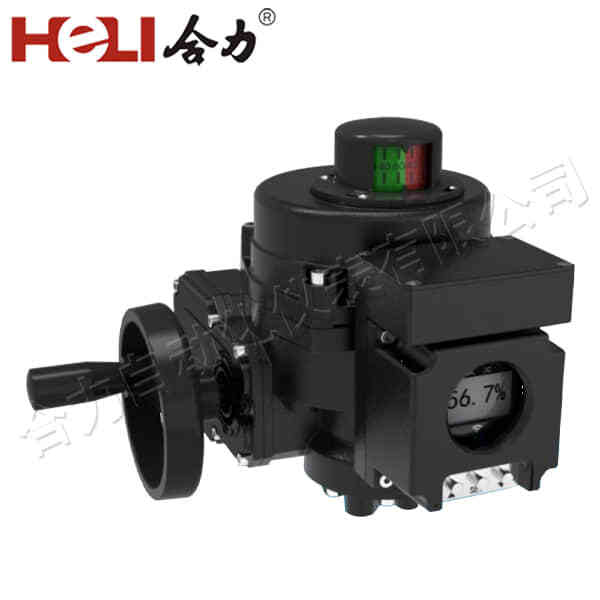
What is an Electric Actuator Valve?
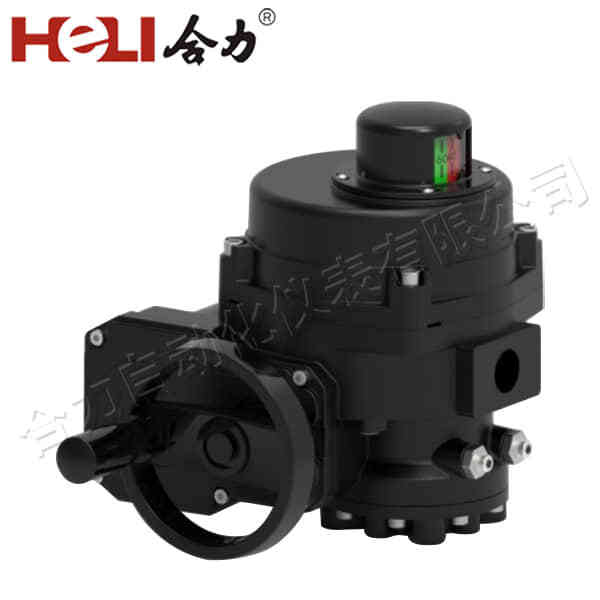
An electric actuator valve is a device that uses an electric actuator to control the opening and closing of a valve. The actuator receives electric signals from a control system and operates a motor to move the valve to the desired position. This motion can be rotary or linear depending on the type of valve and the actuator’s design. Electric actuator valves are primarily used in industrial environments to regulate the flow of fluids, gases, and sometimes granular materials, ensuring the smooth operation of various processes. The valve typically connects with pipelines, tanks, and equipment in industries like oil and gas, water treatment, HVAC, and chemical processing, offering a way to control pressure, temperature, flow rate, and more.
Leave a Reply