Thermal management is a critical aspect of modern electrical and electronic systems. Overheating can lead to equipment failure, safety hazards, and even catastrophic damage. To address this issue, Thermal Management Relays (TMRs) have emerged as an essential component in protecting electronic circuits and devices from the adverse effects of high temperatures. This article will explore the function, benefits, applications, and importance of Thermal Management Relays in a variety of industries.
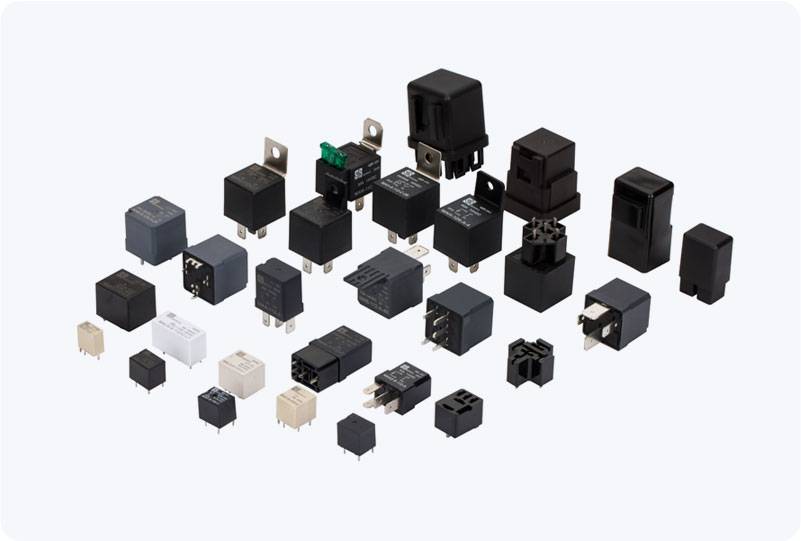
Understanding Thermal Management Relays A Thermal Management Relay is an electromechanical switch designed to regulate the temperature of an electrical system by monitoring and controlling its temperature. Its primary role is to protect sensitive equipment from overheating by automatically disconnecting the circuit when the temperature exceeds a set threshold. By doing so, it ensures the longevity and reliability of the equipment, preventing potential damage due to excessive heat buildup. These relays typically incorporate a temperature sensor, such as a thermistor or a thermocouple, which continuously monitors the temperature of the system or component. Once the temperature reaches the predetermined limit, the relay activates a switch to either shut down or reduce the operation of the system. After the temperature drops to a safe level, the relay can automatically restore the circuit to its normal operational state.
Leave a Reply