In every industrial environment, safety is a top priority. Among the various safety measures, lock out padlocks play a crucial role in ensuring that machinery and equipment are not inadvertently operated while maintenance or repairs are being performed. These padlocks, designed to lock out specific equipment, are an essential part of Lockout/Tagout (LOTO) procedures, which are implemented worldwide to protect workers from the hazards of unexpected machine starts and electrical hazards. This article explores the importance, types, and applications of lock out padlocks, highlighting their critical role in industrial safety.
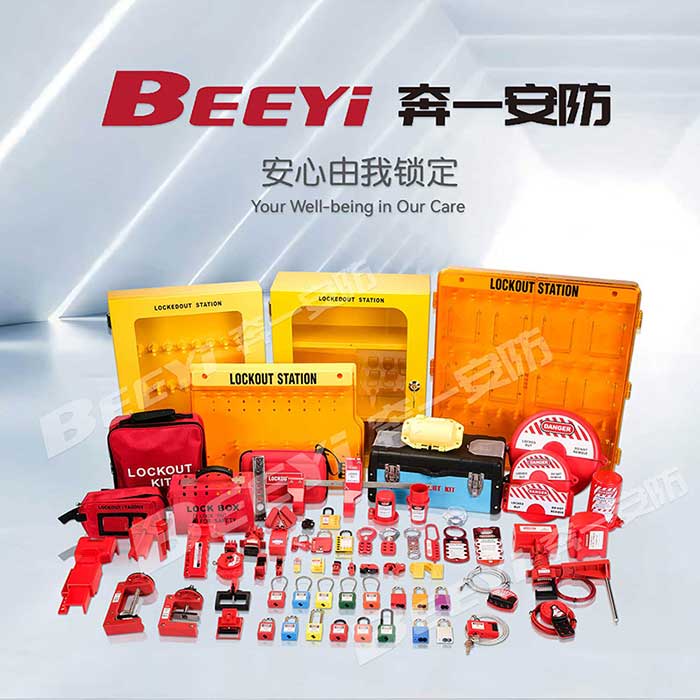
What are Lock Out Padlocks? Lock out padlocks are specialized padlocks used as part of the LOTO safety procedure in industrial settings. Their primary function is to secure energy-isolating devices (like switches or valves) in the “off” or “safe” position, preventing the unexpected release of hazardous energy during maintenance activities. These locks ensure that machines cannot be started by unauthorized personnel while maintenance work is underway. The goal is to eliminate the risk of equipment operating unexpectedly, which could cause serious injuries or even fatalities. The padlocks are often brightly colored, with red and yellow being the most common, so they can be easily seen by workers in the area. In addition to the lock itself, each lock typically includes a tag or label with the worker’s name, date, and reason for the lockout, ensuring that everyone in the area is informed of the work being done and the associated risks.
Leave a Reply