In today’s rapidly advancing automotive landscape, safety has emerged as a non-negotiable priority. As vehicles become increasingly reliant on electronic systems to manage functions that were once purely mechanical, the importance of reliable safety measures cannot be overstated. One fundamental component in ensuring functional safety is the IEC 61508 compliant automotive relay. This article explores the significance of these relays in enhancing vehicle safety, their compliance requirements, and the implications for future automotive designs.
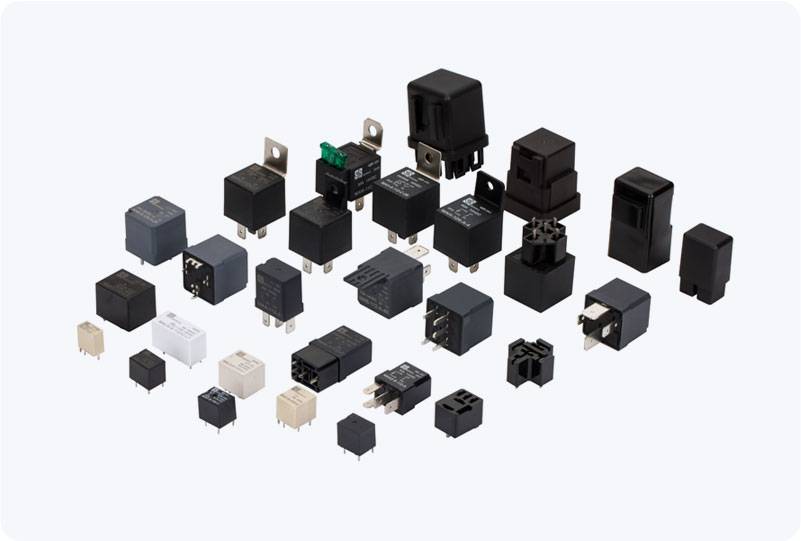
Understanding IEC 61508 and Its Relevance IEC 61508 is an international standard that focuses on the functional safety of electrical, electronic, and programmable electronic safety-related systems. It provides a framework for designing safety-critical systems to prevent failures that could lead to hazardous situations. In automotive applications, the adoption of IEC 61508 ensures that key components, such as relays, are not only reliable but also resilient in handling unexpected conditions. The Role of Automotive Relays Relays serve as vital components in automotive systems, including braking, steering, and power distribution mechanisms. These electromechanical switches facilitate the control of high-current circuits using low-power signals, making them essential for the operation of various electronic components. Given their critical role, the reliability of relays is paramount, particularly in safety-related applications where failure could result in catastrophic outcomes.
Leave a Reply