DC Solenoid Valves are integral components in a variety of automated control systems, playing a crucial role in regulating the flow of gases, liquids, and other substances. These valves utilize the principles of electromagnetism to control the opening and closing of a valve, effectively managing the flow of media through pipes and channels. In this article, we will explore the working principle, applications, advantages, and common uses of DC Solenoid Valves in various industries.
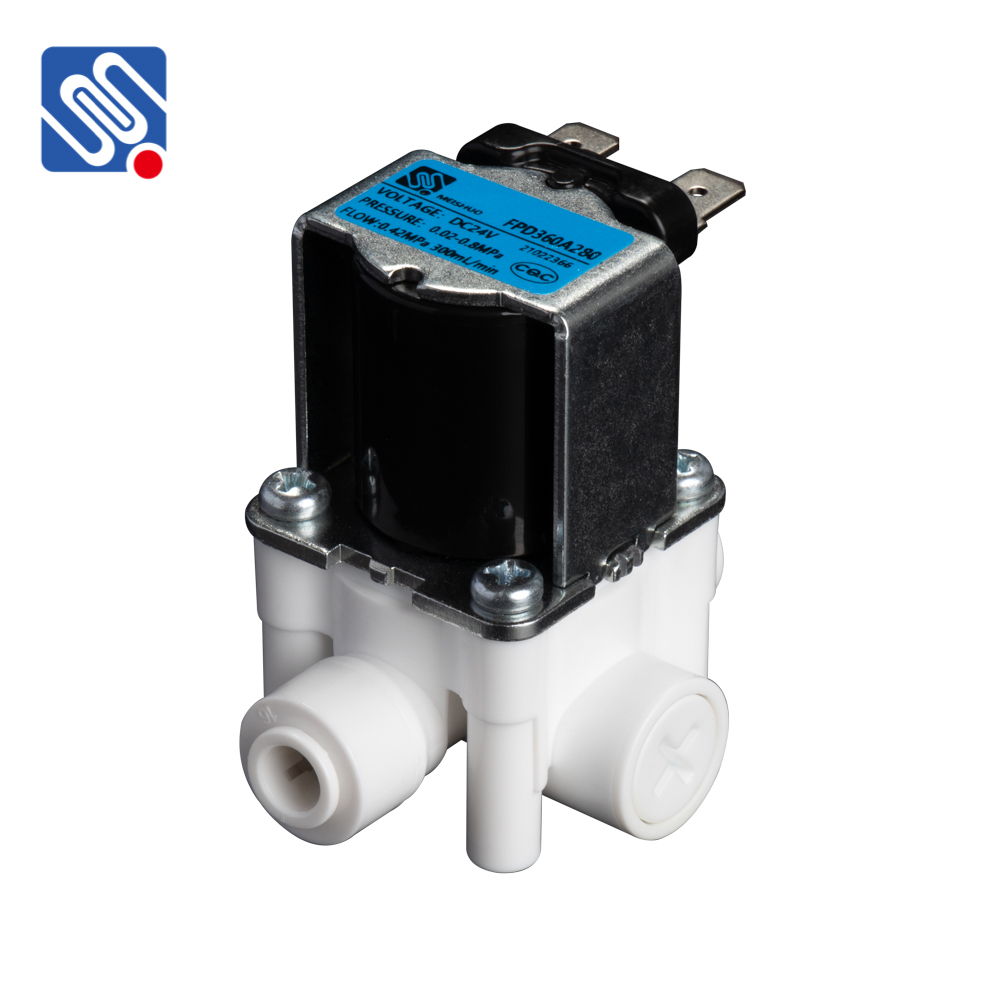
Working Principle of DC Solenoid Valve A DC solenoid valve operates through the interaction of an electromagnetic field generated by a direct current (DC) passing through a coil of wire, known as the solenoid. The solenoid is placed within a valve assembly, and when the current is applied, it generates a magnetic field that actuates a metal plunger or piston inside the valve. This movement either opens or closes the valve, controlling the flow of the medium. When the DC current is turned on, the solenoid generates a magnetic force that moves the plunger, opening the valve and allowing fluid or gas to pass. When the current is turned off, the magnetic field disappears, and a spring or gravity closes the valve. This basic operation allows for fast, precise, and reliable control of fluid flow in automated systems.
Leave a Reply