Electric actuator valves have become an indispensable part of modern industrial automation systems. They offer significant advantages over traditional manual valves, enabling greater precision, efficiency, and reliability in controlling the flow of liquids, gases, and other media. This article delves into the workings of electric actuator valves, their applications, and why they are a critical technology in industries such as oil and gas, water treatment, and manufacturing.
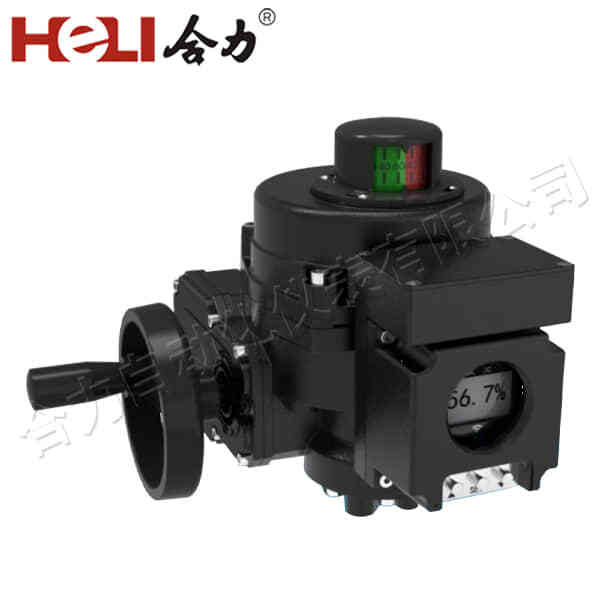
What is an Electric Actuator Valve?
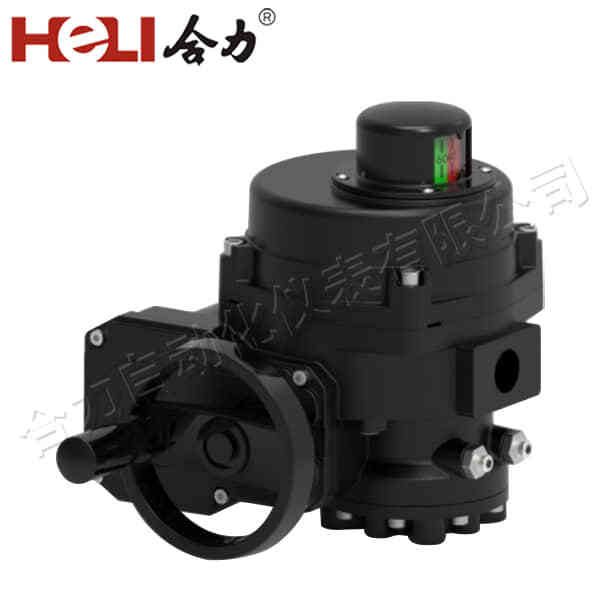
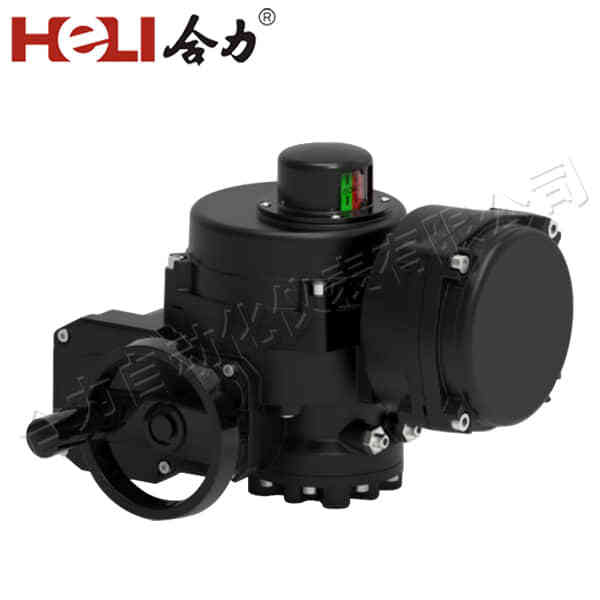
An electric actuator valve is a type of valve that uses an electric actuator to control the opening and closing of the valve. The electric actuator is powered by electricity and converts electrical energy into mechanical motion, which is then used to operate the valve. This type of valve is typically used in automated systems where remote control and precise regulation are required. The electric actuator itself consists of a motor, gear system, and feedback components, such as limit switches or position sensors. The motor drives the valve’s stem or disc, determining whether the valve is open, closed, or somewhere in between. This allows for accurate flow control in a variety of applications, with remote monitoring and control capabilities that are essential for modern industrial operations.
Leave a Reply