When designing or maintaining electrical systems, selecting the appropriate relay type is crucial for ensuring system efficiency, reliability, and safety. A relay is an electrically operated switch that allows for the control of a circuit by a low-power signal, such as a microcontroller or a PLC, and is often used to control high-power devices like motors, lights, or heaters. This article will explore the factors to consider when selecting a relay type for different applications, and the most common relay types used in various fields.
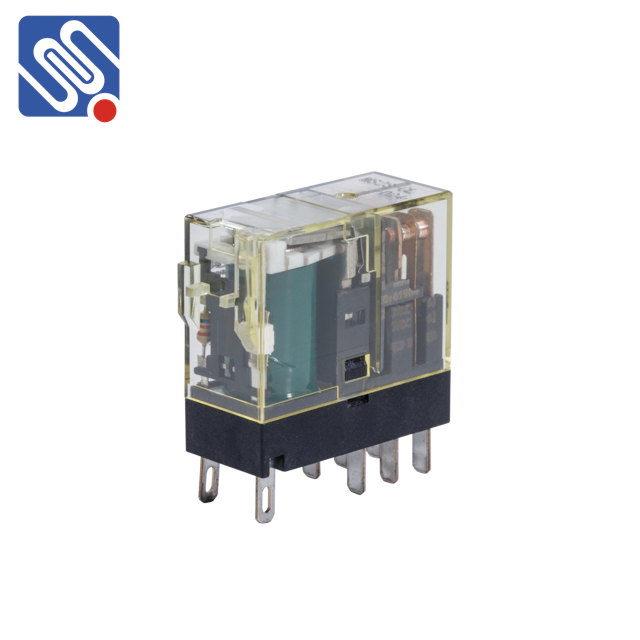
Key Factors in Relay Type Selection 1. Load Type One of the most significant factors to consider when selecting a relay is the type of load being controlled. The load type will influence the choice of relay and its contact material, as different loads have varying electrical characteristics. Resistive Loads: These include devices like light bulbs or heaters. They do not create excessive electrical noise or voltage spikes, so standard relays with basic contacts are sufficient. Inductive Loads: Devices such as motors, solenoids, and transformers fall into this category. Inductive loads generate high inrush currents when turned on, which can cause arcing and damage to the relay contacts. For such loads, a relay with a higher current rating or one designed to handle inrush currents is required.
Leave a Reply