Relay comparison is an essential aspect of understanding the role of relays in electrical and electronic systems. Relays, as electrically operated switches, have been integral to controlling circuits and systems that require a higher power or voltage than what can be safely handled by direct manual control or low-power electronics. Whether in industrial automation, telecommunications, or power distribution, comparing the different types of relays helps engineers and technicians select the best relay suited for their specific application. This article explores the different types of relays, their features, and their advantages in various applications.
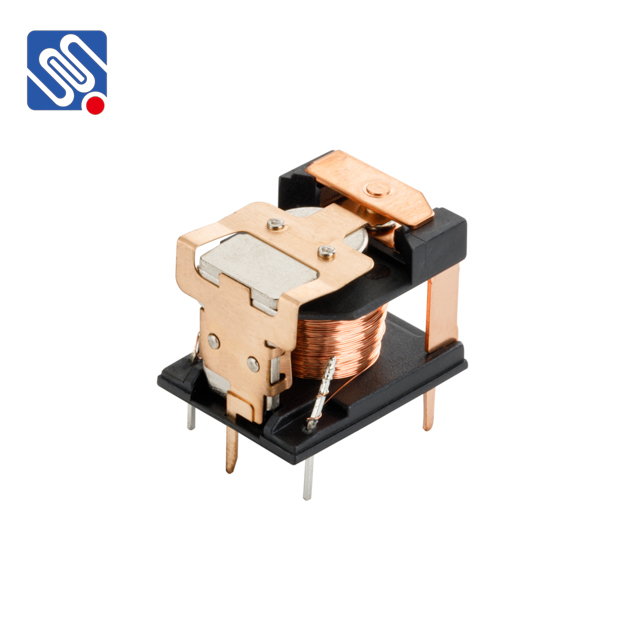
What is a Relay? A relay is a type of electromechanical switch that opens and closes a set of contacts based on the application of an electrical signal to its coil. The basic function of a relay is to control the flow of electricity to a load by using a low-power signal to switch a higher power load on or off. This feature makes relays incredibly valuable in automation, safety systems, and remote control applications. Types of Relays and Their Comparison Electromechanical Relays (EMRs): Electromechanical relays are the traditional and most widely used type of relays. They operate by using an electromagnet to physically move the contacts, which can either open or close. These relays can handle both AC and DC loads and are used in various applications such as motor control, alarm systems, and automotive electronics.
Leave a Reply