A Power Monitoring Relay is a vital component in modern electrical systems, designed to monitor various electrical parameters and ensure that power systems operate within safe and optimal limits. By continuously assessing factors like voltage, current, power, and frequency, these relays provide real-time feedback to operators, enabling swift responses to potential faults. As electrical systems become increasingly complex, the role of power monitoring relays in energy management, system protection, and operational efficiency has become more critical than ever.
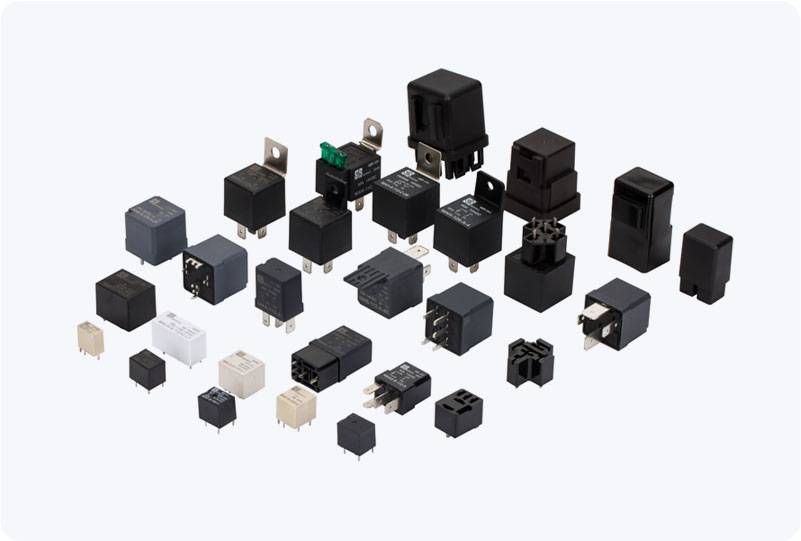
What is a Power Monitoring Relay? A Power Monitoring Relay is an advanced electrical device used to measure and monitor key electrical parameters within a system. These parameters often include voltage, current, power factor, frequency, and other variables that are essential to ensuring the proper operation of electrical equipment. The relay is programmed to detect deviations from normal operational ranges and take corrective actions when necessary, such as triggering alarms, initiating protective actions, or even shutting down faulty equipment. How Power Monitoring Relays Work Power Monitoring Relays work by continuously sampling the electrical signals in a system. These signals are then compared with pre-programmed thresholds. If any of the parameters deviate from these thresholds—whether it be overcurrent, overvoltage, underfrequency, or other abnormal conditions—the relay will respond accordingly.
Leave a Reply