In industrial environments, safety is a paramount concern. Among the most essential safety measures are lockout/tagout (LOTO) systems, which are designed to prevent the accidental release of hazardous energy during equipment maintenance or repair. One crucial component of a lockout/tagout system is the Lockout Hasps—a versatile tool that plays a key role in ensuring the safety of workers. This article explores the importance of Lockout Hasps, the technical support available for these products, and how businesses can leverage this support to maintain compliance with safety regulations.
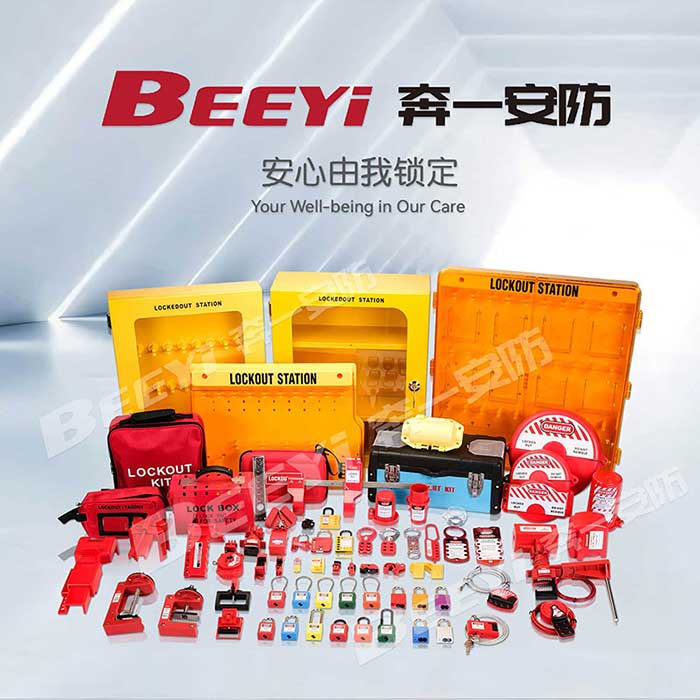
What Are Lockout Hasps? A Lockout Hasp is a safety device that is used in conjunction with a lock to secure an energy-isolating device (such as a valve or electrical switch) during maintenance or repair. The primary function of a Lockout Hasp is to prevent the unexpected energization or release of energy, which could pose serious risks to workers performing maintenance. These devices are often used in scenarios where more than one person is involved in maintenance, as they allow multiple locks to be attached to the same hasp, ensuring that each worker has control over the equipment. Typically made from durable materials like steel or aluminum, Lockout Hasps come in various sizes and configurations to fit different equipment and safety requirements. The multiple-lock feature allows companies to establish a shared responsibility system where each technician can lock out the equipment, ensuring that it cannot be re-energized without all workers being notified.
Leave a Reply