Lithium batteries have become one of the most widely used power sources across various industries, from electric vehicles (EVs) to renewable energy systems. As the world continues to transition towards greener technologies, the demand for high-performance components to optimize energy storage and management systems also increases. One such critical component is the Lithium Battery Pneumatic Ball Valve. This innovative valve plays a vital role in enhancing the overall performance and efficiency of lithium battery systems by managing fluid and gas flow in a controlled manner. In this article, we will delve into the importance, functioning, and benefits of this valve in the context of lithium battery applications.
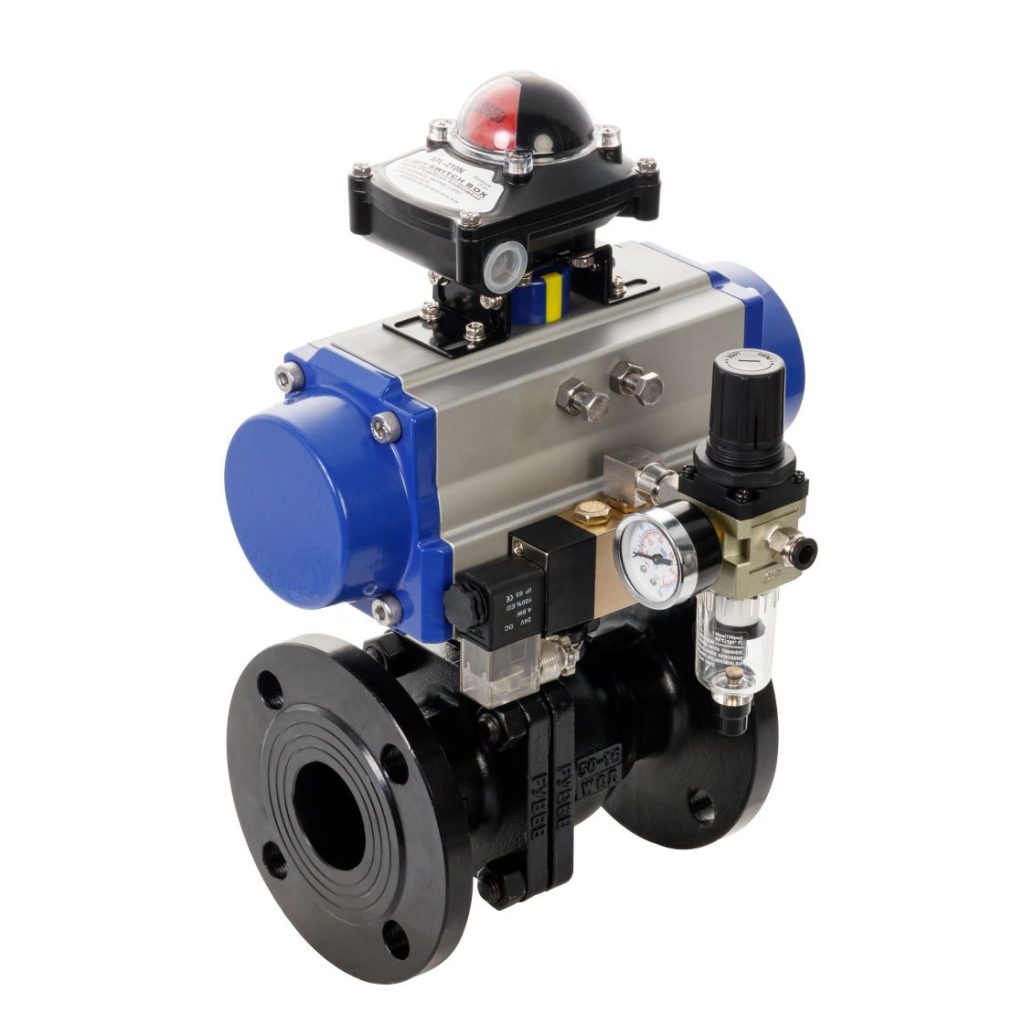
What is a Pneumatic Ball Valve?
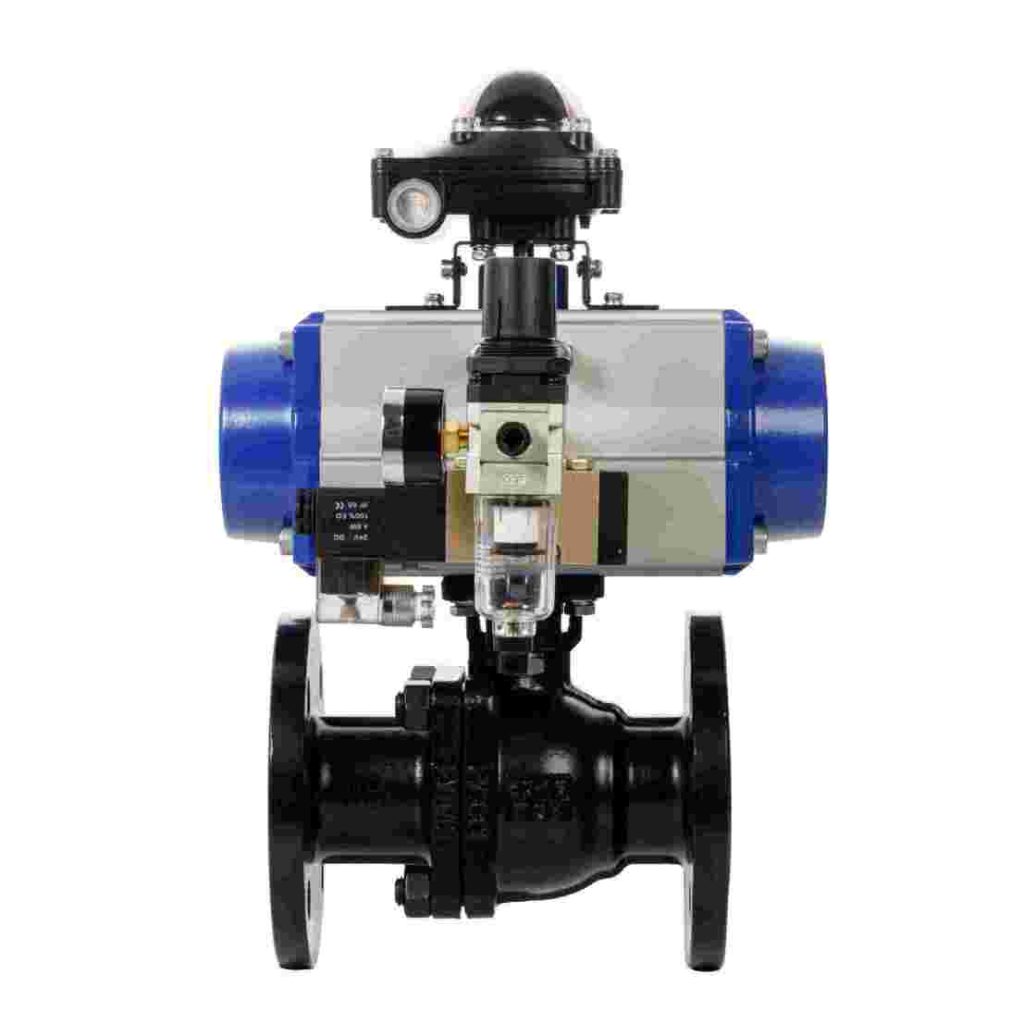
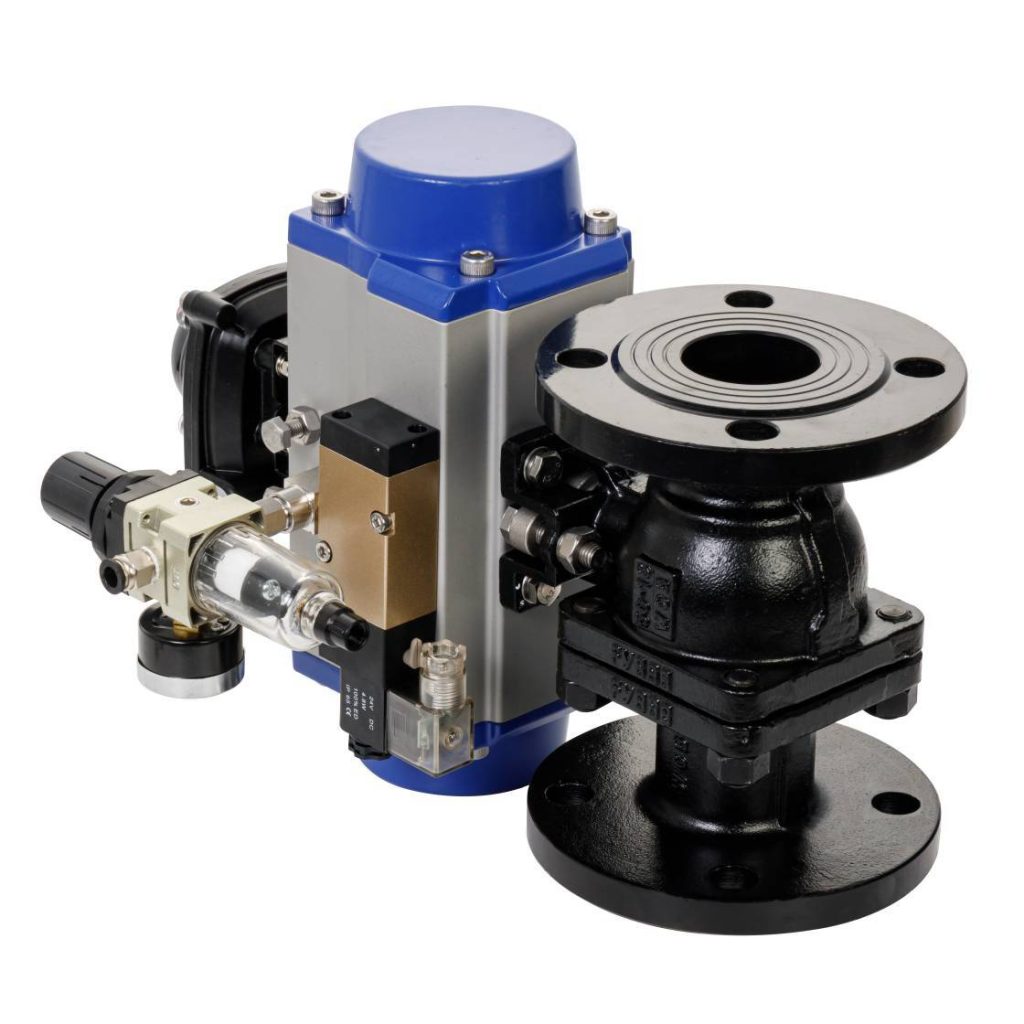
A pneumatic ball valve is a type of valve that uses compressed air to operate the ball within the valve mechanism. The ball has a hole or port through the middle, and when the ball rotates, it allows or blocks the flow of fluids or gases. These valves are typically used in situations where quick and efficient control of flow is required. The pneumatically actuated design makes them ideal for remote control and automation in various industries, including energy storage, manufacturing, and more. Role of Lithium Battery Pneumatic Ball Valves In lithium battery systems, particularly those integrated into large-scale energy storage units or electric vehicles, various processes involve the control of gases, cooling fluids, and other substances that need to flow through the system to ensure safe and efficient operation. These processes include thermal management, battery cooling, and the regulation of gases like hydrogen or nitrogen, which may be involved in specific types of batteries.
Leave a Reply