In modern power systems, ensuring the stability and reliability of electrical equipment is crucial. One of the key components that significantly contributes to the efficiency and operational stability of power systems is the Latching Relay. This type of relay has distinct characteristics that make it a preferred choice in many critical applications. Unlike conventional relays, which require continuous power to maintain their state, a latching relay holds its position even after the power is cut off, until another signal is provided to change its state. This article delves into the importance of latching relays in power systems, highlighting their benefits, applications, and operational principles.
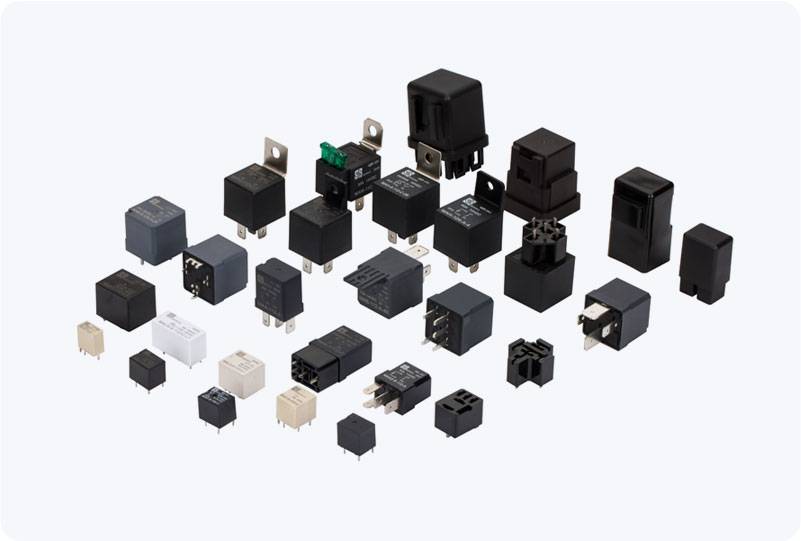
1. Understanding Latching Relays A latching relay, often referred to as a bistable relay, is an electromechanical device designed to retain its switch position after being activated. Unlike standard relays, which reset to their default position when the power supply is interrupted, a latching relay retains the last state it was in, whether open or closed, even when the power supply is disconnected. To change the state of a latching relay, a specific electrical pulse or signal is required. This unique feature is particularly advantageous in applications where constant power is not available, or energy efficiency is a primary concern. Latching relays are essential for power systems that need to maintain certain conditions without the constant need for power to sustain the relay’s state.
Leave a Reply