Hydrogen energy has garnered significant attention as a promising solution to the world’s growing energy demands and environmental challenges. As the world increasingly focuses on reducing carbon emissions, hydrogen energy is emerging as a versatile and clean energy source. One of the most innovative and exciting applications of hydrogen energy is its integration into electrical installations. In this article, we will explore the components, technologies, and potential applications of Hydrogen Energy Electrical Installation, highlighting how this clean power system can revolutionize our energy future.
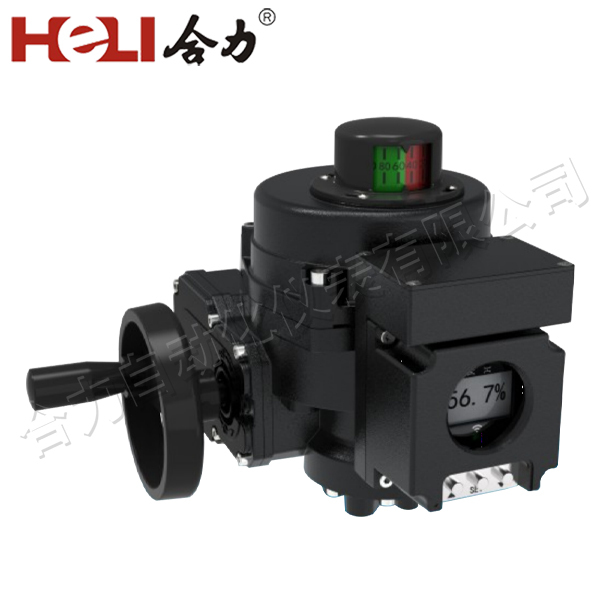
What is Hydrogen Energy Electrical Installation?
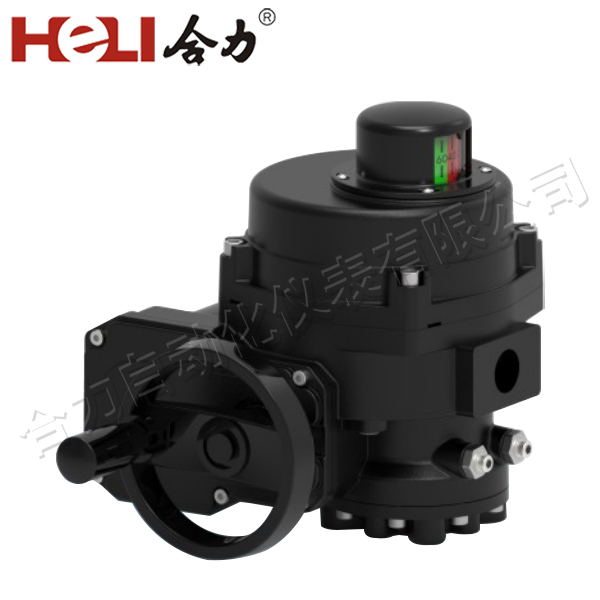
Hydrogen energy electrical installation refers to the integration of hydrogen as a primary energy source in electrical systems. This involves the production, storage, conversion, and distribution of hydrogen-based energy, often through fuel cells, to generate electricity. Hydrogen energy installations are designed to provide a sustainable, low-emission alternative to traditional fossil fuels, making them a vital component in the transition to a greener future. Key Components of Hydrogen Energy Electrical Installation Hydrogen Production The first step in any hydrogen energy system is hydrogen production. The most common method is electrolysis, where electricity is used to split water (H2O) into hydrogen and oxygen. When renewable energy sources like wind or solar power are used to generate the electricity for electrolysis, the process is known as green hydrogen production, which emits no carbon dioxide. On the other hand, steam methane reforming (SMR) is a widely used method for producing hydrogen from natural gas but releases CO2 as a byproduct.
Leave a Reply