The world is undergoing a significant transition towards clean energy, with various industries exploring innovative solutions to reduce carbon emissions and promote sustainability. Among these advancements, hydrogen energy has emerged as a promising alternative to traditional fossil fuels. One of the most interesting and impactful applications of hydrogen energy in modern engineering is the Hydrogen Energy Damper Actuator, a cutting-edge device that harnesses the power of hydrogen to provide efficient damping systems for machinery, vehicles, and infrastructure. In this article, we will explore the working principle, advantages, and potential applications of Hydrogen Energy Damper Actuators.
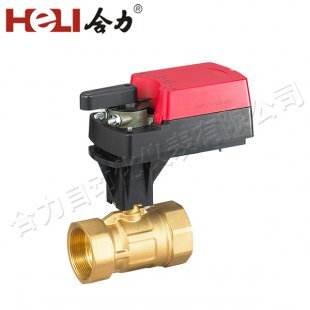
Understanding the Hydrogen Energy Damper Actuator
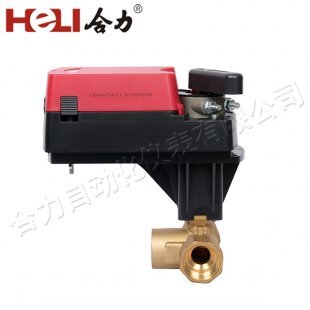
At its core, a Hydrogen Energy Damper Actuator is a mechanical device that uses hydrogen fuel to generate the necessary energy to operate a damper system. Dampers are essential components in various machines and vehicles as they control vibrations, absorb shocks, and maintain stability during movement. Traditionally, dampers rely on hydraulic, pneumatic, or electric actuators to function, but the hydrogen-powered variant introduces a more sustainable and energy-efficient approach. Hydrogen energy works by utilizing the chemical reaction between hydrogen and oxygen to produce energy in the form of electricity or mechanical power, with the only byproduct being water vapor. When applied to damper systems, hydrogen energy provides the necessary force for actuating the damper mechanism while reducing harmful emissions and energy consumption.
Leave a Reply