In recent years, the global focus on sustainable energy solutions has intensified, and industries have been exploring innovative ways to reduce carbon footprints and optimize energy consumption. One of the most promising avenues is hydrogen energy, known for its clean and efficient properties. Among the various applications of hydrogen energy, one particularly interesting development is the hydrogen energy damper actuator, which has shown immense potential in a range of engineering and industrial applications. This article explores the role of hydrogen energy damper actuators, their advantages, and how they are revolutionizing the field of energy-efficient systems.
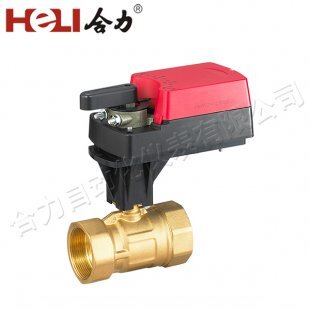
What is a Hydrogen Energy Damper Actuator?
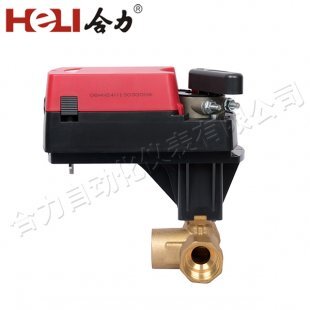
A damper actuator is a device used to control and adjust the movement of dampers, which are mechanisms designed to regulate airflow, pressure, and other parameters within systems such as HVAC units, ventilation, and industrial machinery. Traditionally, damper actuators are powered by electric motors or pneumatic systems. However, the introduction of hydrogen energy into damper actuator systems brings a significant shift towards cleaner, more sustainable energy sources. Hydrogen energy damper actuators utilize hydrogen fuel cells to provide the necessary power to drive the actuator. This technology integrates the high energy density of hydrogen with the efficiency of fuel cells, creating an environmentally friendly and reliable power source for actuation mechanisms.
Leave a Reply