Electric screw ball valves have emerged as a critical component in modern industrial processes, playing a vital role in the control and regulation of fluid flow in various applications. This article delves into what electric screw ball valves are, their working principles, advantages, applications, and why they have become an indispensable part of many industries.
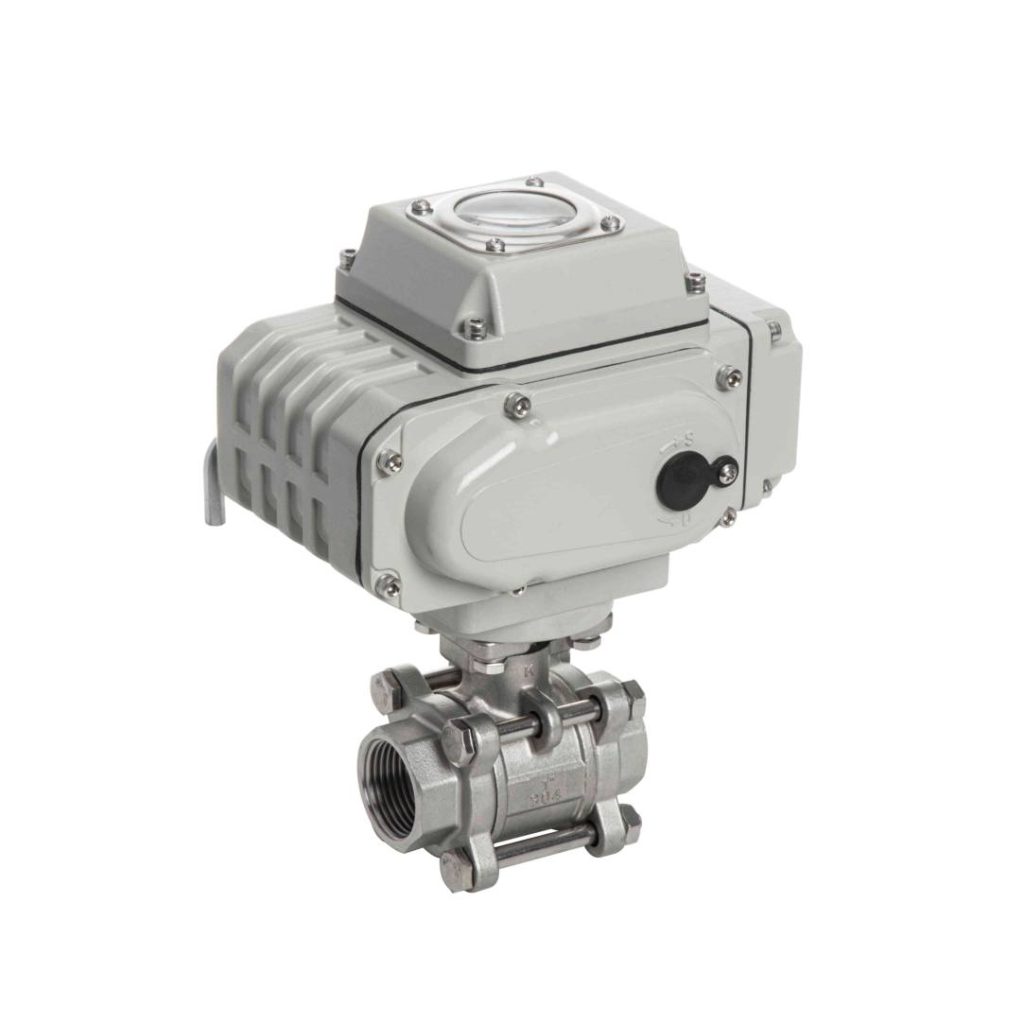
What is an Electric Screw Ball Valve?
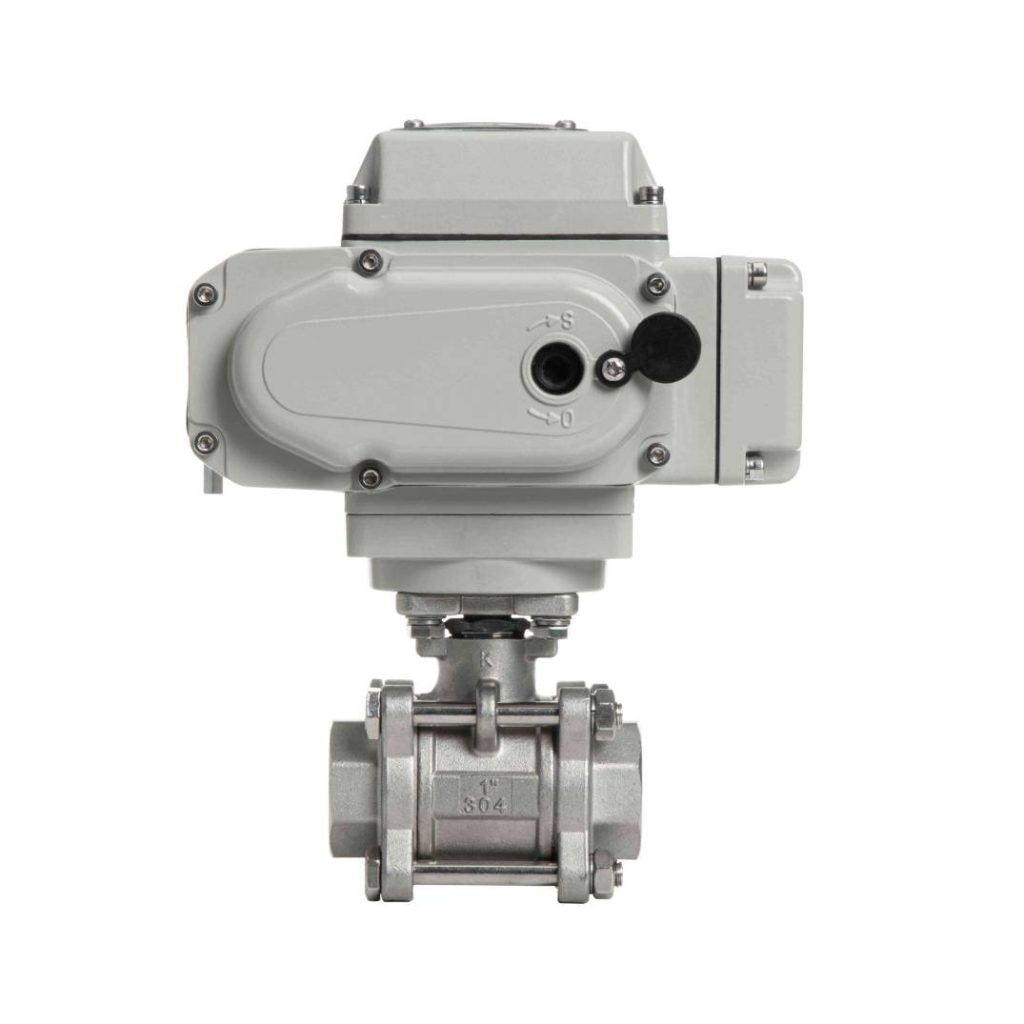
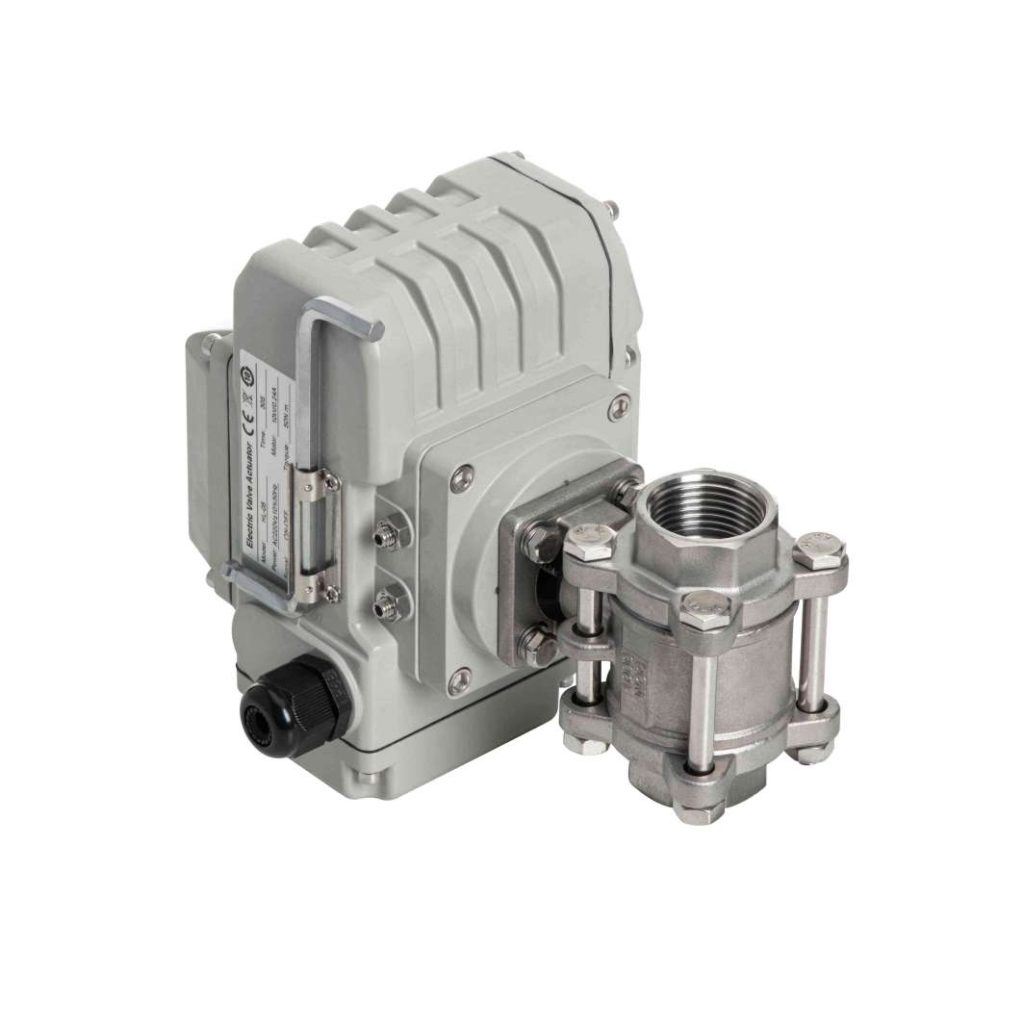
An electric screw ball valve is a type of valve that combines the principles of a ball valve with an electric actuator, enabling automated control of fluid flow. The design features a hollow sphere, or ball, that has a passageway through its center. When the ball is rotated by the electric actuator, the valve either opens or closes, controlling the flow of liquid or gas through a piping system. This integration of electric automation allows for precision control and enhanced operational efficiency. Working Principle The operation of an electric screw ball valve is relatively straightforward. It consists of three main components: the ball, the valve body, and the electric actuator. The actuator is responsible for rotating the valve’s stem, which is connected to the ball. When the actuator receives an electronic signal—typically from a control system like a Programmable Logic Controller (PLC)—it rotates the stem, causing the ball to move. Depending on the rotation angle, the valve can either fully open, fully close, or regulate the flow to a desired level.
Leave a Reply