In recent years, the importance of maintaining quality indoor air has gained prominence as people become more aware of the impact of air pollution on health. Various strategies and technologies have emerged to combat poor air quality, with the fan air filter being one of the most effective solutions. A fan air filter combines the functionalities of an air purifying system with a fan to optimize air circulation and purification in various environments, including homes, offices, and industrial spaces.
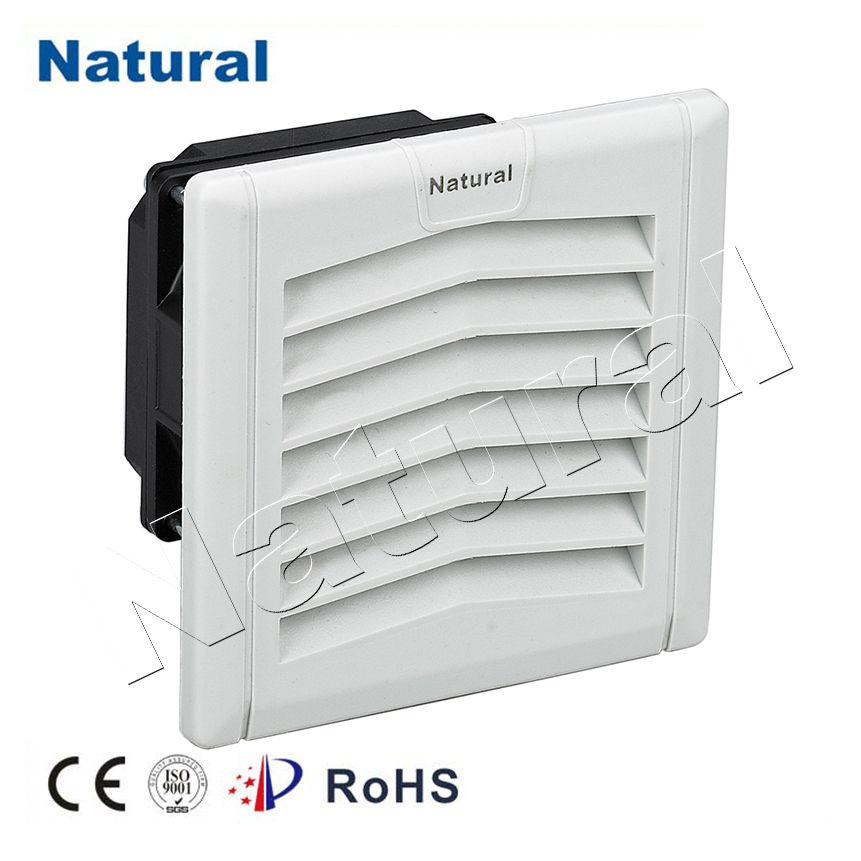
Understanding Fan Air Filters
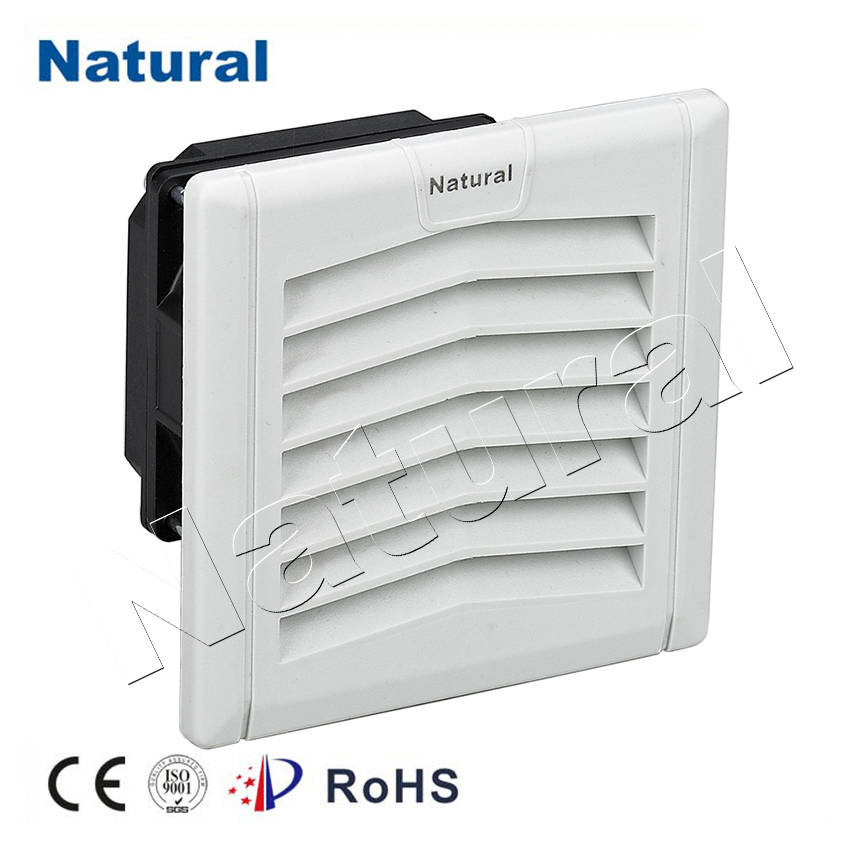
At its core, a fan air filter is designed to improve indoor air quality by removing harmful particles and contaminants from the air we breathe. These units utilize a fan to draw in indoor air and pass it through a multi-layered filtration system. Depending on the specific model, these filters can capture a wide range of pollutants, including dust, pollen, pet dander, smoke, and even some volatile organic compounds (VOCs). The effectiveness of a fan air filter largely depends on its filtration technology. Common types of filters used in these devices include: HEPA Filters: High-Efficiency Particulate Air (HEPA) filters are renowned for their ability to trap up to 99.97% of particles measuring 0.3 microns or larger. This makes them particularly effective at alleviating allergies and respiratory issues caused by airborne allergens.
Leave a Reply