Electric high-temperature ball valves are crucial components in industries that involve extreme temperature applications, such as oil and gas, power generation, and chemical processing. These valves are designed to provide precise control of flow while enduring high temperatures and aggressive fluids. As industries continue to evolve, the demand for innovative and reliable valve solutions is growing. In this article, we explore the role of electric high-temperature ball valve manufacturers in meeting the demands of industries requiring robust and efficient flow control solutions under extreme conditions.
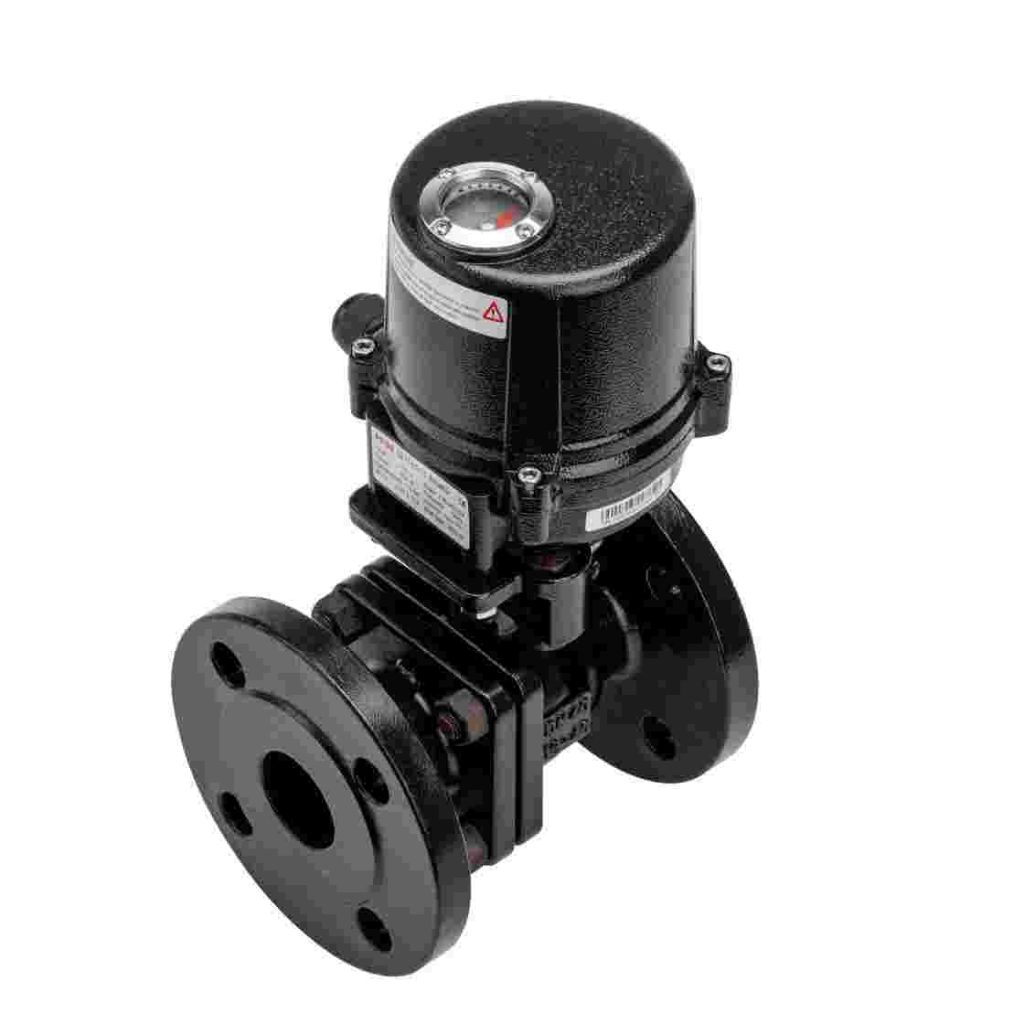
Understanding Electric High-Temperature Ball Valves
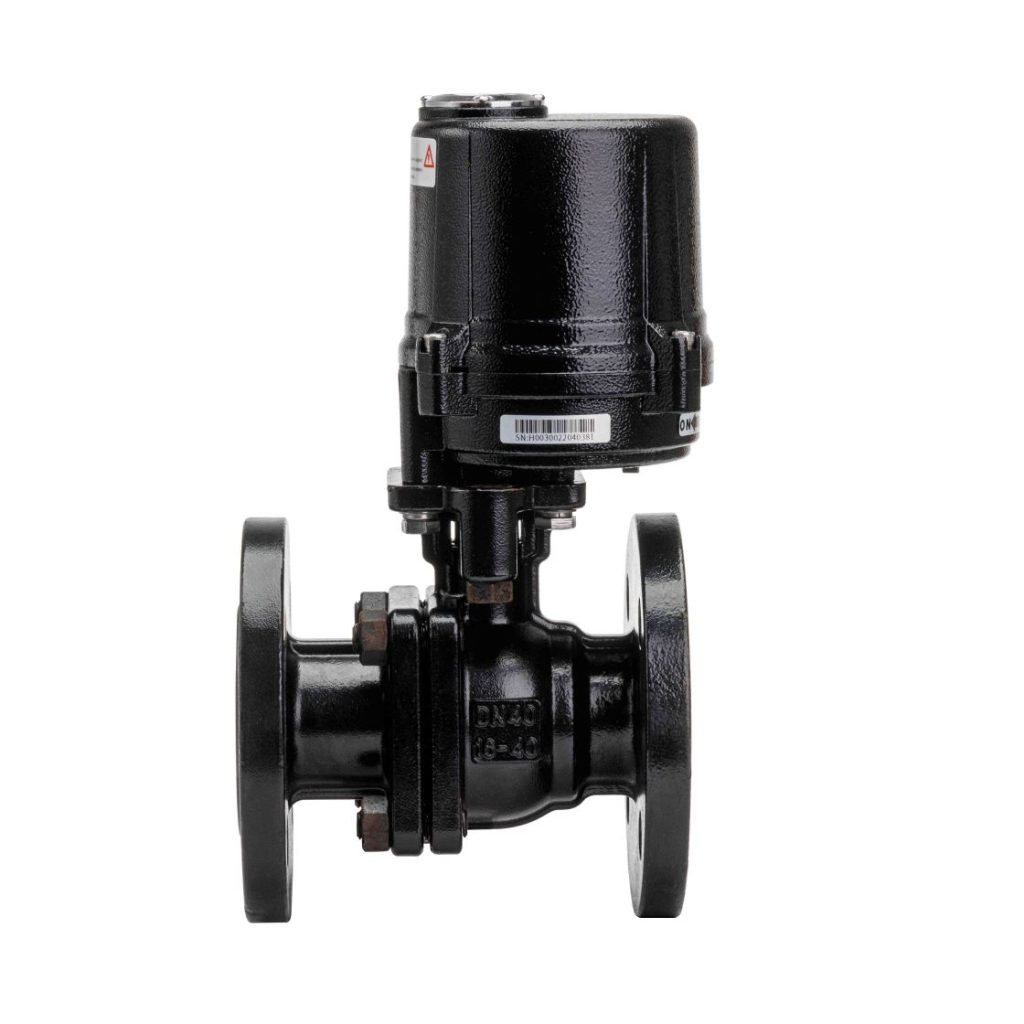
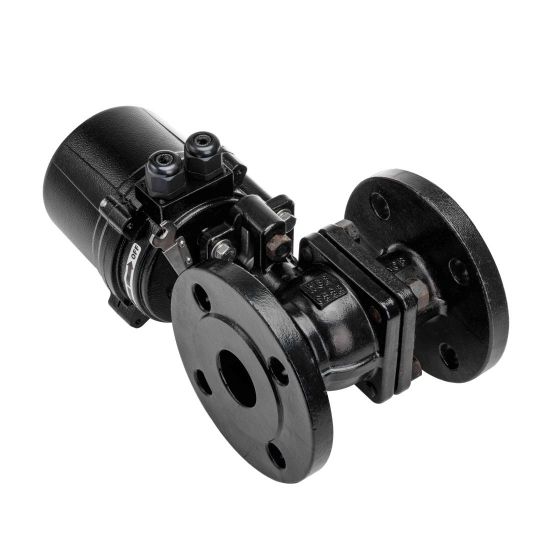
An electric high-temperature ball valve combines a high-performance ball valve design with an electric actuator to control the flow of fluids or gases in high-temperature systems. The valve’s ball design provides smooth flow control, while the electric actuator allows for remote operation, offering precision and automation in controlling the valve’s position. Typically, these valves are engineered to withstand temperatures up to 650°C (1200°F) or more, depending on the materials used in their construction. Common materials for high-temperature ball valves include stainless steel, Inconel, and Hastelloy. These materials ensure durability, resistance to thermal expansion, and excellent sealing capabilities.
Leave a Reply