Electric ball valves have become an essential component in various industries, providing automated and reliable flow control for a wide range of applications. These valves combine the simplicity and efficiency of ball valves with the precision and flexibility of electric actuators, offering a versatile solution for modern fluid systems. In this article, we will explore the fundamentals, advantages, applications, and working principles of electric ball valves, as well as the factors to consider when choosing the right one for your needs.
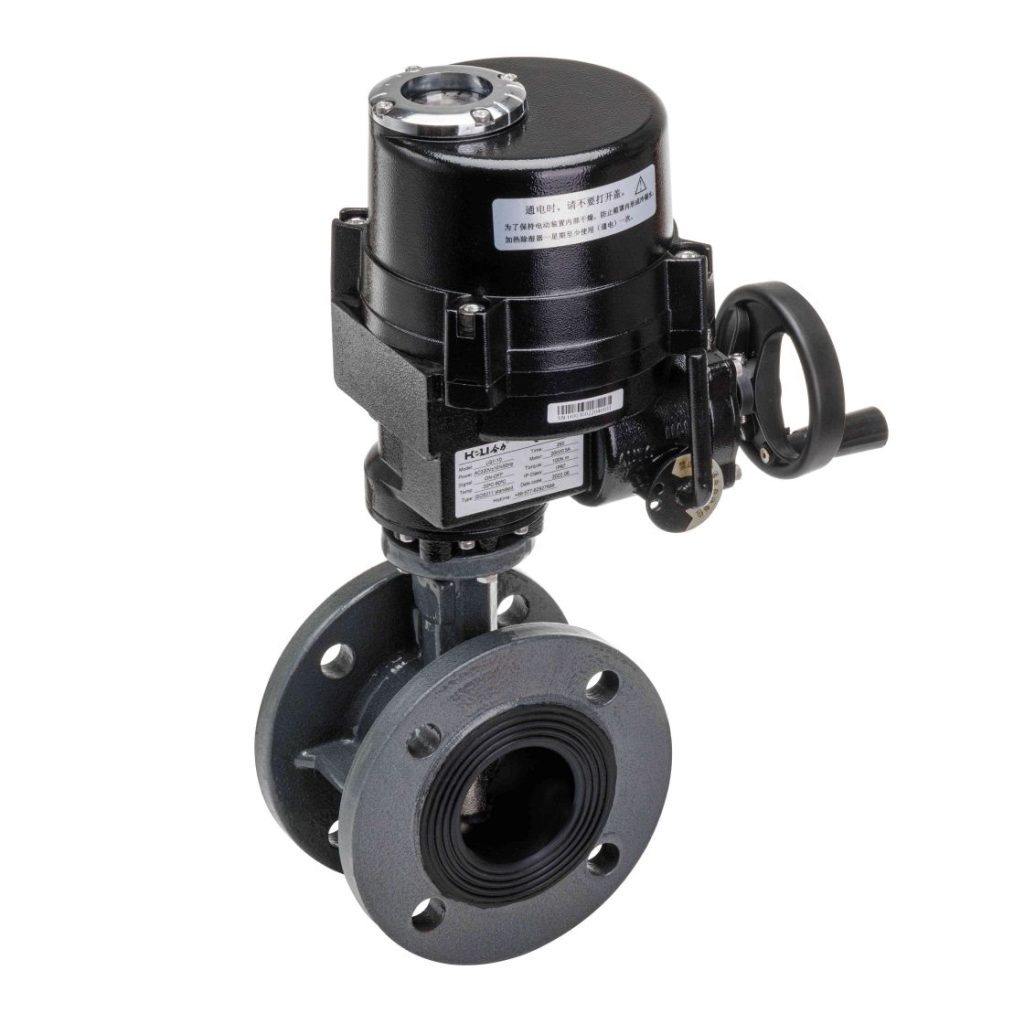
What is an Electric Ball Valve?
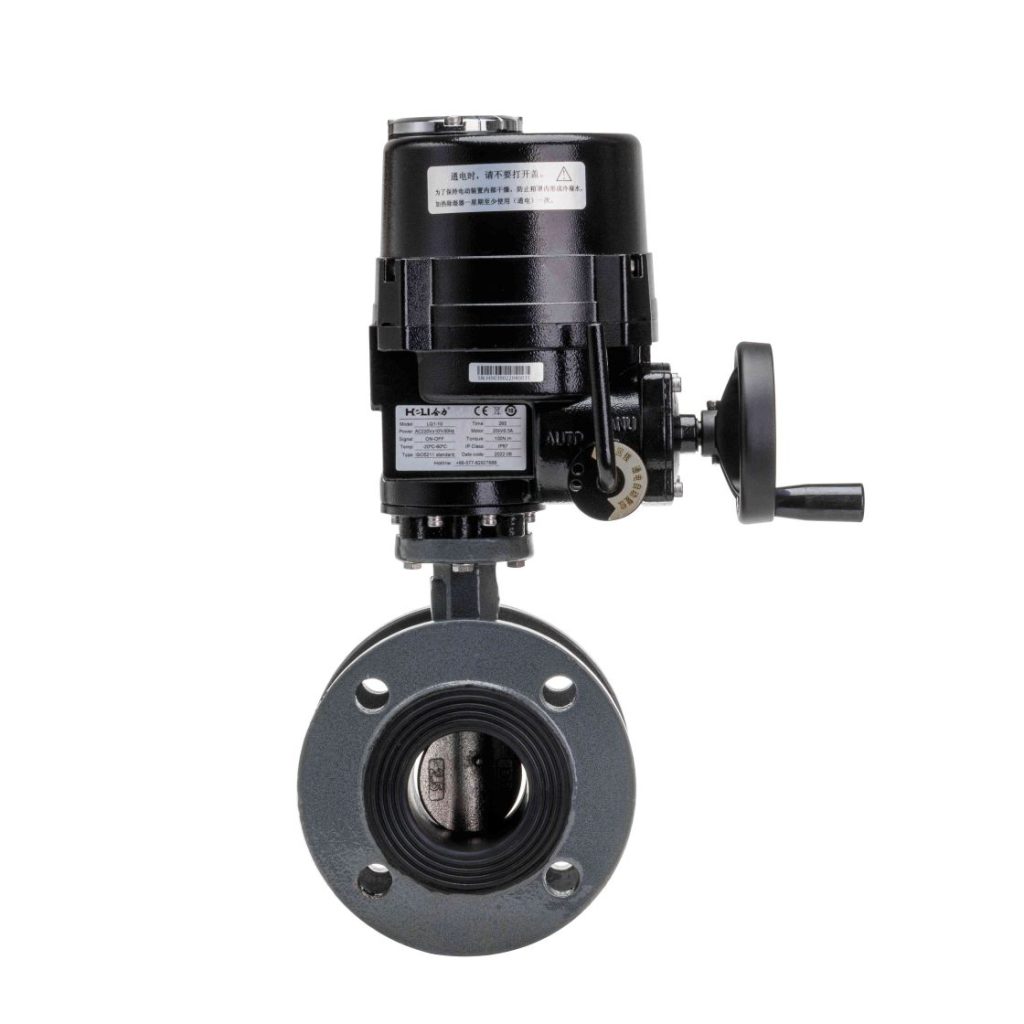
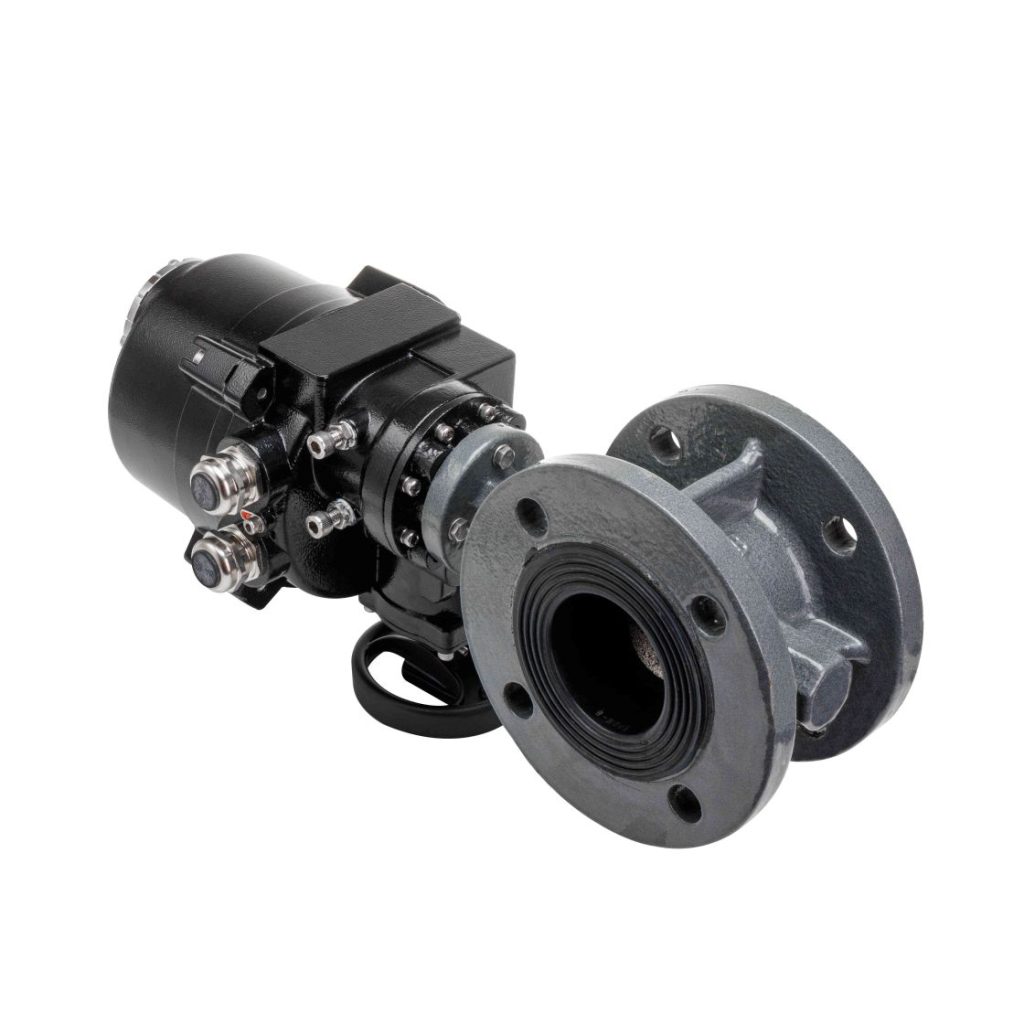
An electric ball valve is a type of valve that uses an electric actuator to open or close a ball valve. Ball valves are known for their simple design and excellent sealing properties, making them ideal for controlling the flow of liquids and gases. In a ball valve, a hollow, perforated ball rotates inside the valve body to either allow or block the passage of fluid. The electric actuator controls this rotation, enabling remote or automated operation of the valve. Electric ball valves are commonly used in systems where automated, reliable, and precise control over fluid flow is required. These valves are typically used in industries such as water treatment, HVAC (heating, ventilation, and air conditioning), oil and gas, chemicals, and pharmaceuticals.
Leave a Reply