Electric actuators for valves have revolutionized the way industries control fluid or gas flow within their systems. With advancements in automation and smart technology, these devices provide a reliable and efficient means of valve operation across a wide range of applications. This article explores the role of electric actuators in valve control, their benefits, and the impact they have on industries such as oil and gas, water treatment, and HVAC systems.
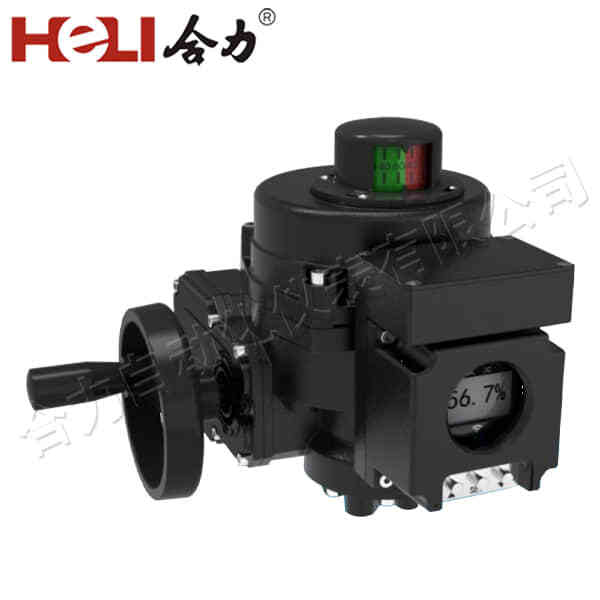
What is an Electric Actuator for Valves?
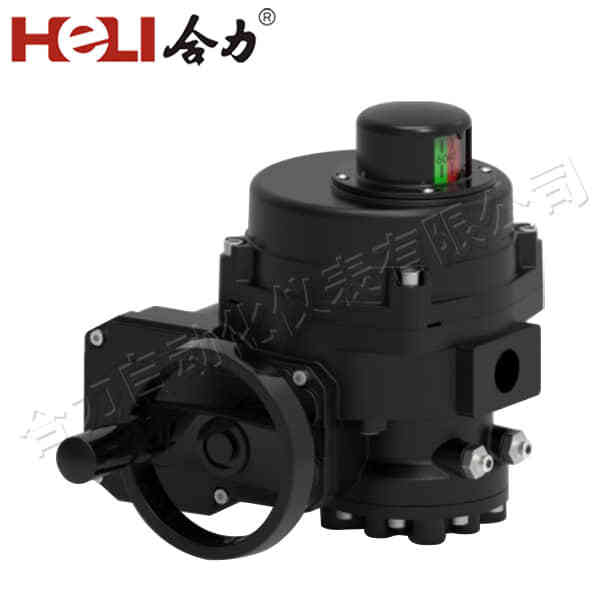
An electric actuator for valves is an electromechanical device that uses an electric motor to drive the movement of a valve. It is designed to control the opening or closing of a valve, thereby regulating the flow of fluids, gases, or slurries through pipes or channels. Electric actuators can be used for various types of valves, including ball, gate, globe, and butterfly valves, making them versatile for different applications. Unlike manual valve operation, where a human operator physically turns a wheel or lever, electric actuators can be controlled remotely or automatically. This is particularly valuable in systems where continuous and precise valve control is required. Electric actuators are often integrated into automated systems, where they receive control signals from a central controller, such as a PLC (Programmable Logic Controller) or a DCS (Distributed Control System).
Leave a Reply