Electric actuators have become essential components in the automation of valve control systems across a wide range of industries. As industries strive for greater efficiency, precision, and reduced operational costs, the use of electric actuators in valve applications continues to rise. This article explores the working principles, advantages, and diverse applications of electric actuators for valves, highlighting their crucial role in modern industrial automation.
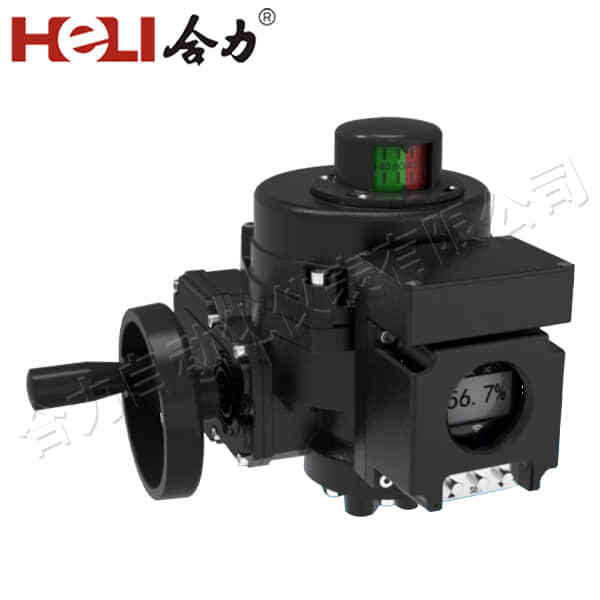
Working Principles of Electric Actuators for Valves
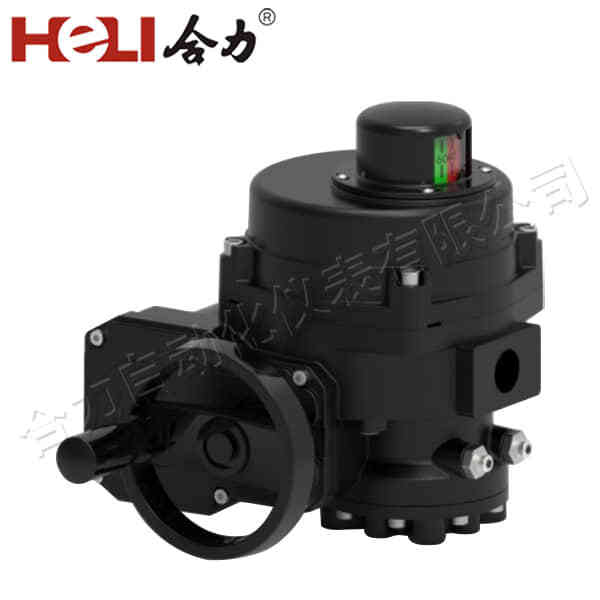
An electric actuator is a device that uses an electric motor to convert electrical energy into mechanical motion, driving a valve’s movement. In valve control systems, these actuators are responsible for opening, closing, or modulating the position of valves. This mechanical motion is typically achieved through the rotation of a valve stem connected to the valve disk or ball. Electric actuators for valves are often controlled by an automated system, receiving signals such as 4-20 mA analog inputs or digital signals from a central controller, such as a programmable logic controller (PLC) or distributed control system (DCS). The actuator’s motor, upon receiving a control signal, adjusts the valve’s position, thereby controlling the flow, pressure, or temperature of the fluid or gas in the pipeline.
Leave a Reply